PhD Student Placement: Lydia Mahan at Severn Trent
Eight weeks at Severn Trent: From Induction to Insight
Lydia Mahan (Cohort VI) reflects on her placement with her industry partner Severn Trent:
I have recently completed an eight-week placement with Severn Trent, working within the Drainage and Wastewater Management Plan (DWMP) team. Looking back, it has been an incredibly valuable experience that has combined technical development, applied research, and real-world impact.
Getting Started: Weeks 1-2
The placement began with a strong and structured introduction. My first two weeks focused on induction activities, including orientation, gaining access to internal systems, and completing essential training.
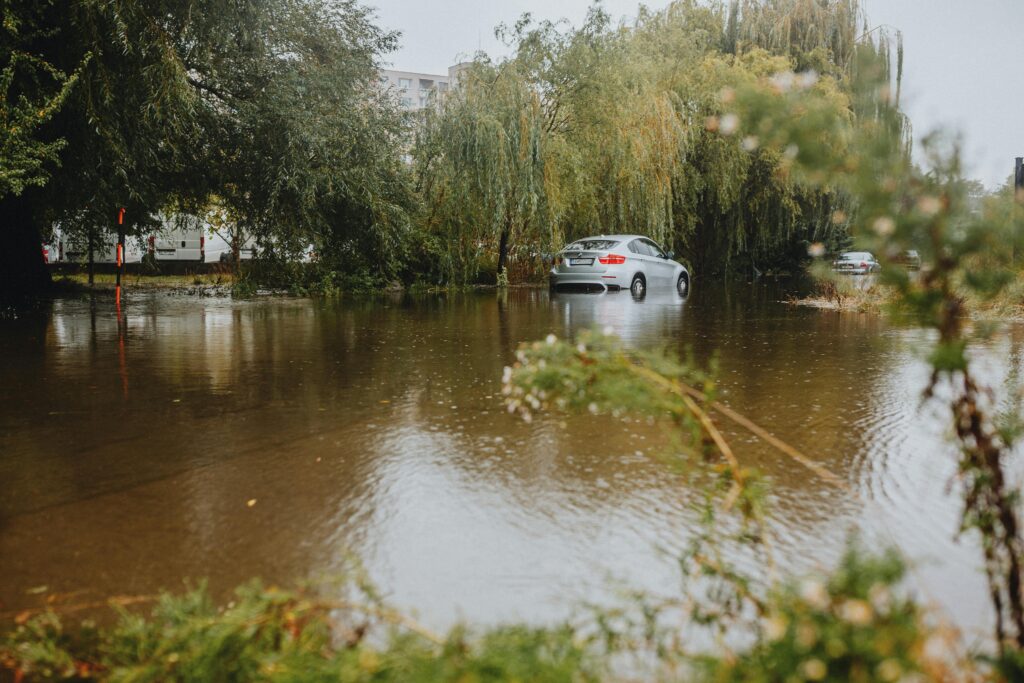
Alongside this, I developed a foundational understanding of the DWMP framework and the broader challenges associated with surface water flooding. This early phase provided important context for the work ahead, particularly my focus on assessing risks and potential damages linked to surface water flood events - an area I was eager to explore in more depth.
Building Momentum: Weeks 3-4
By weeks three and four, the placement had shifted into more technical and project-focused work. A key component of my role involved assessing surface water flood risk across a catchment using ArcGIS. This allowed me to engage directly with spatial data and develop practical analytical skills.
To support this work, I also began drafting guidance notes that documented my methodology, including context, data sources, assumptions, and step-by-step processes. This not only reinforced my own understanding but also created a resource that could be used by others in the team.
In parallel, I worked on evaluating the Common Value Framework. This involved reviewing a wide range of service measures, impact categories, and values to develop a refined shortlist for future assessments.
During this period, I also settled into a hybrid working routine—splitting my time between the Coventry office and Sheffield. The balance worked well: office days enabled collaboration and discussion, while university days provided space for focused analysis and writing.
Deepening the Work: Weeks 5-6
As I moved into weeks five and six, I continued building on the foundations established earlier in the placement. My focus remained on both the Common Value Framework and the surface water flood-risk performance indicator.
One of the key pieces of work during this stage was a comparative analysis of wider-benefits valuation across grey and green infrastructure. Using the Common Value Framework, I explored how different types of interventions are valued - not just in engineering terms, but also in relation to their social, environmental, and economic impacts.
This phase helped deepen my understanding of how infrastructure decisions can deliver multi-dimensional value. I also had the opportunity to present my initial findings to the DWMP team, which was a great experience in communicating technical work to a professional audience.
Final Phase: Weeks 7-8
In the final two weeks, my focus shifted towards consolidating and communicating my work. I prepared a final report and delivered a presentation summarising my analysis, key findings, and reflections from the placement.
This included presenting outputs from the Common Value Framework work, as well as insights gained from assessing surface water flood risk. Bringing everything together allowed me to reflect on both the technical and practical aspects of the experience.
Reflections
Overall, this placement has been extremely rewarding. It has given me the opportunity to engage directly with end users, strengthening the relevance of my PhD research while gaining meaningful real-world insight.
Working within the DWMP team at Severn Trent has not only enhanced my technical skills but also provided a clearer understanding of how research can be applied in practice to address complex environmental challenges.