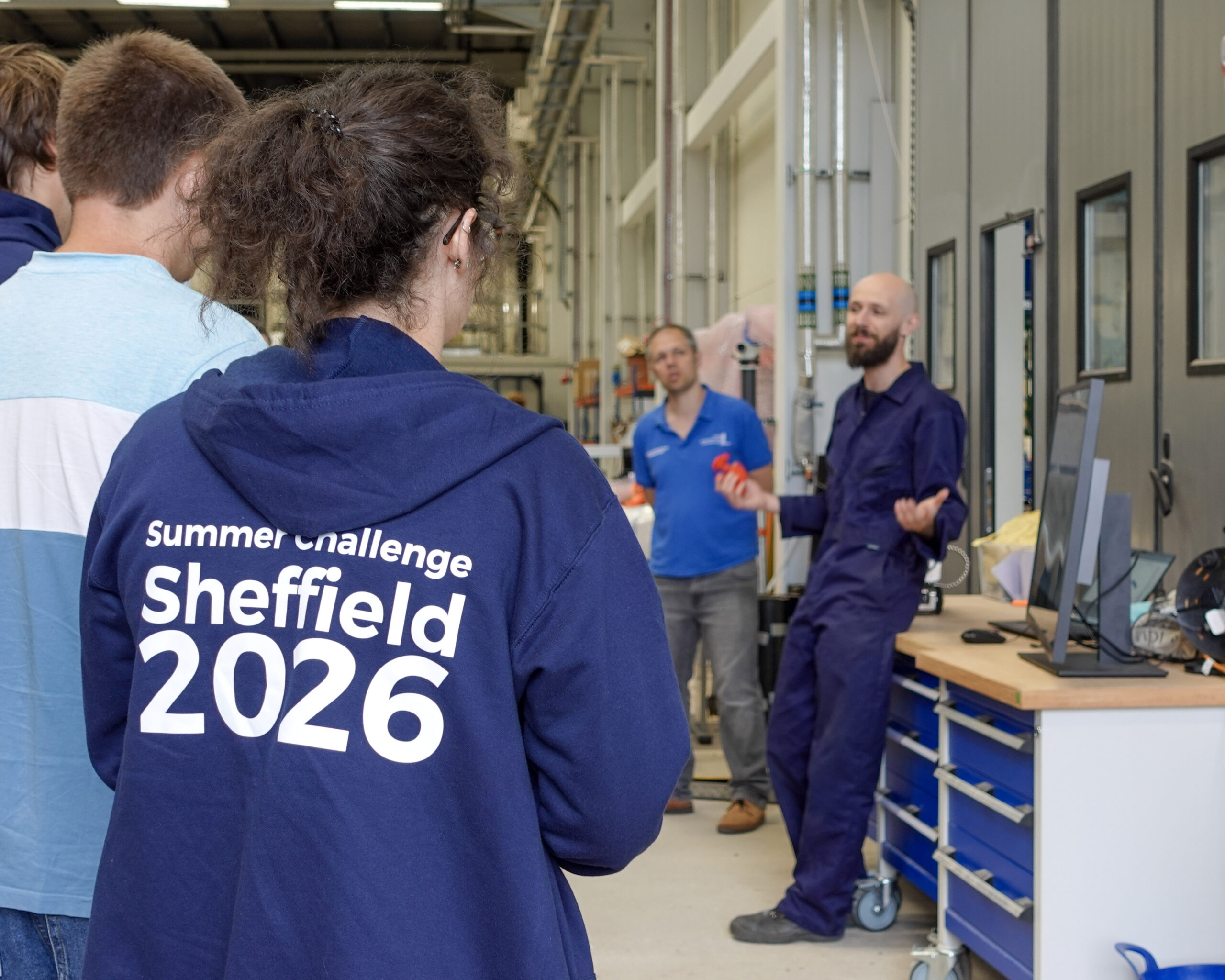
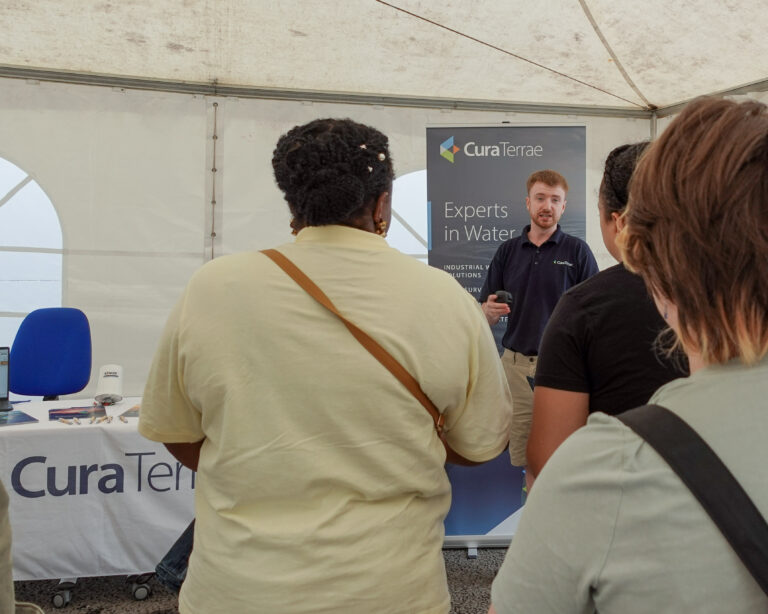
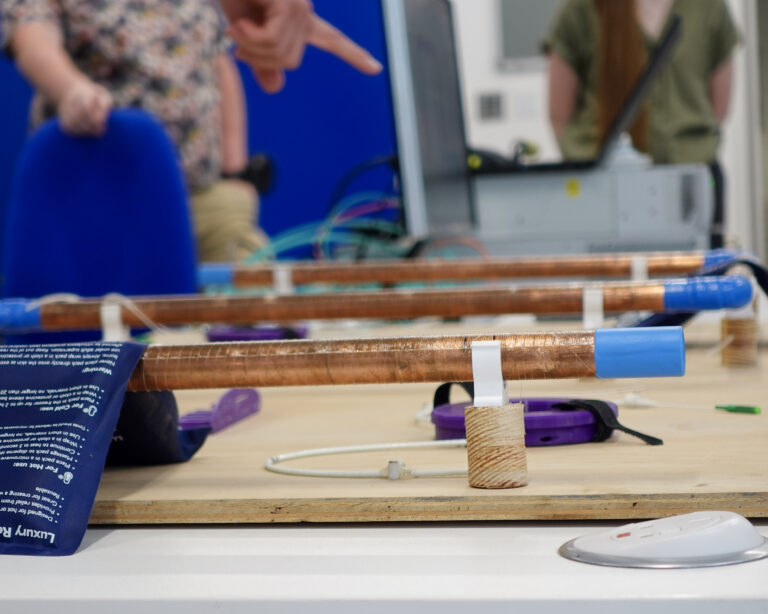
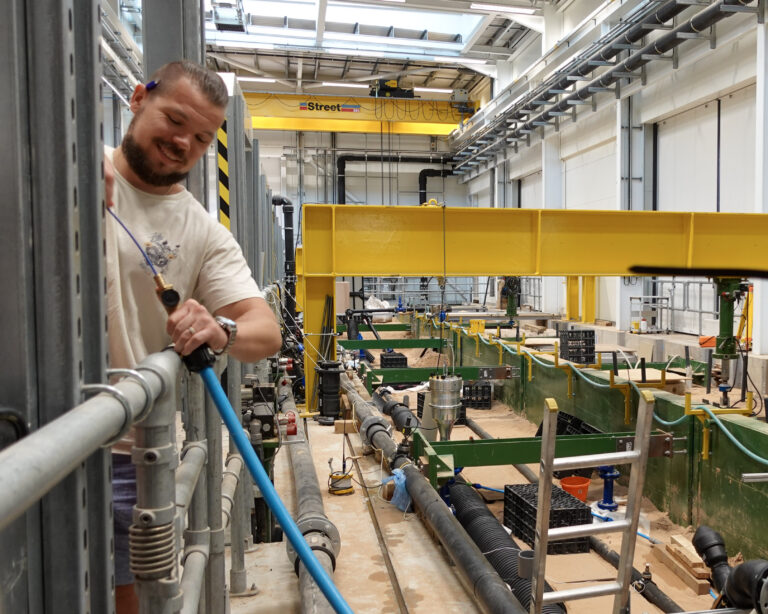
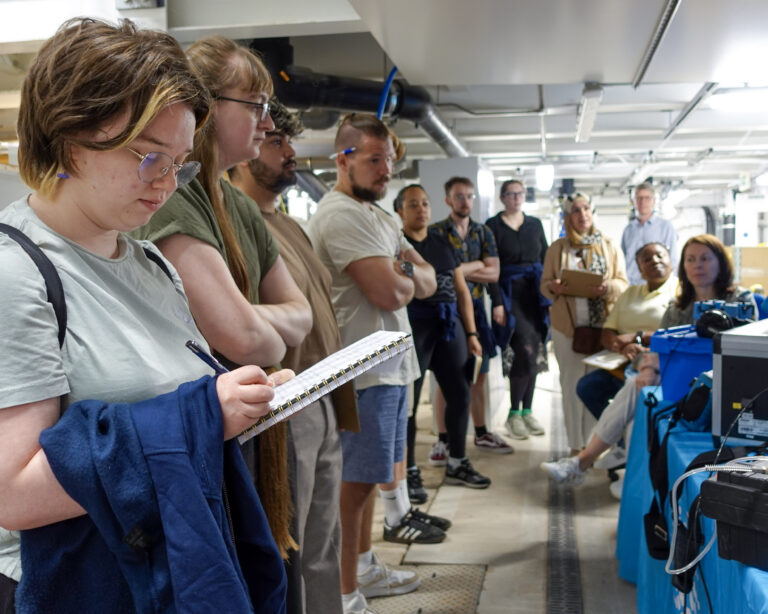
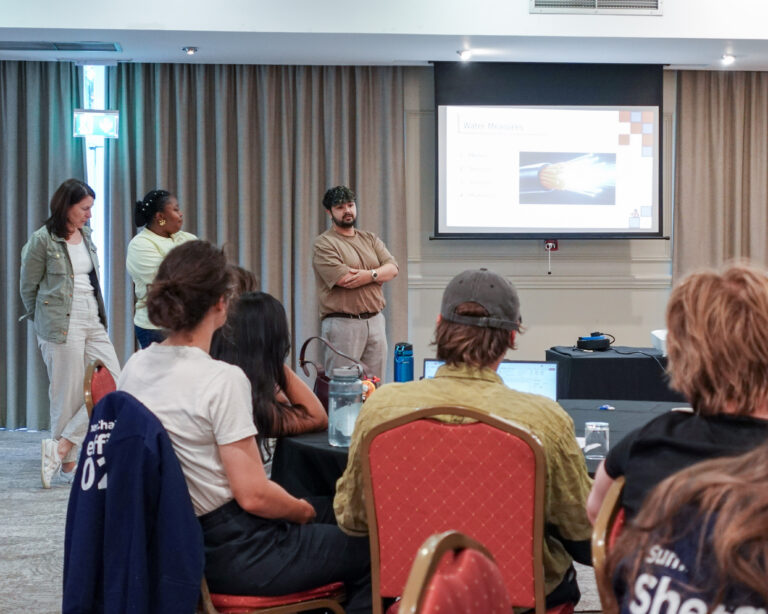
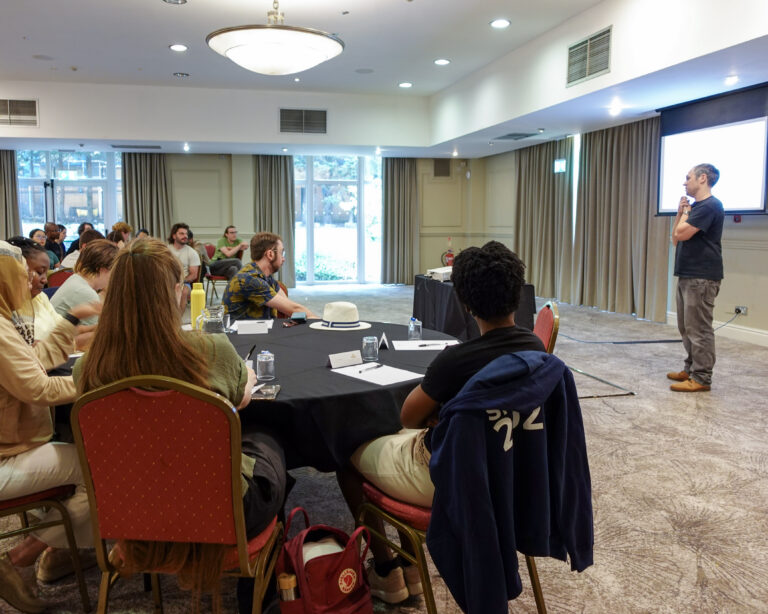
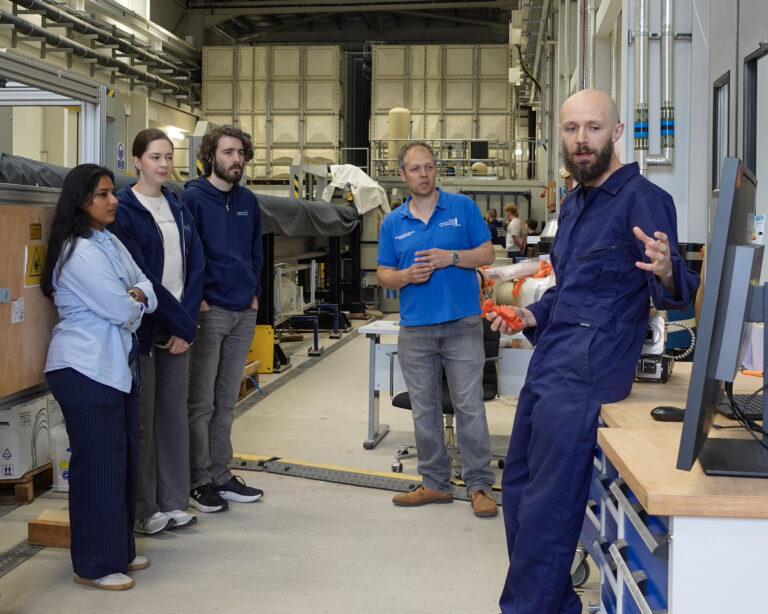
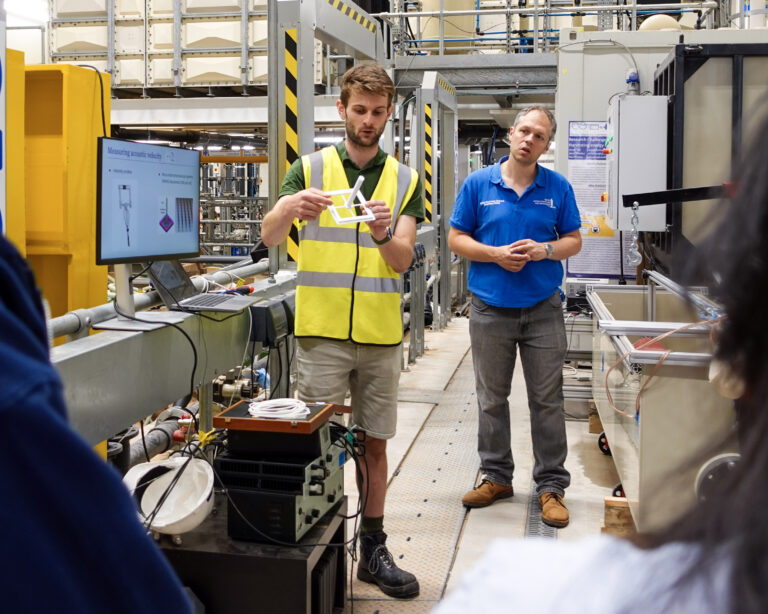
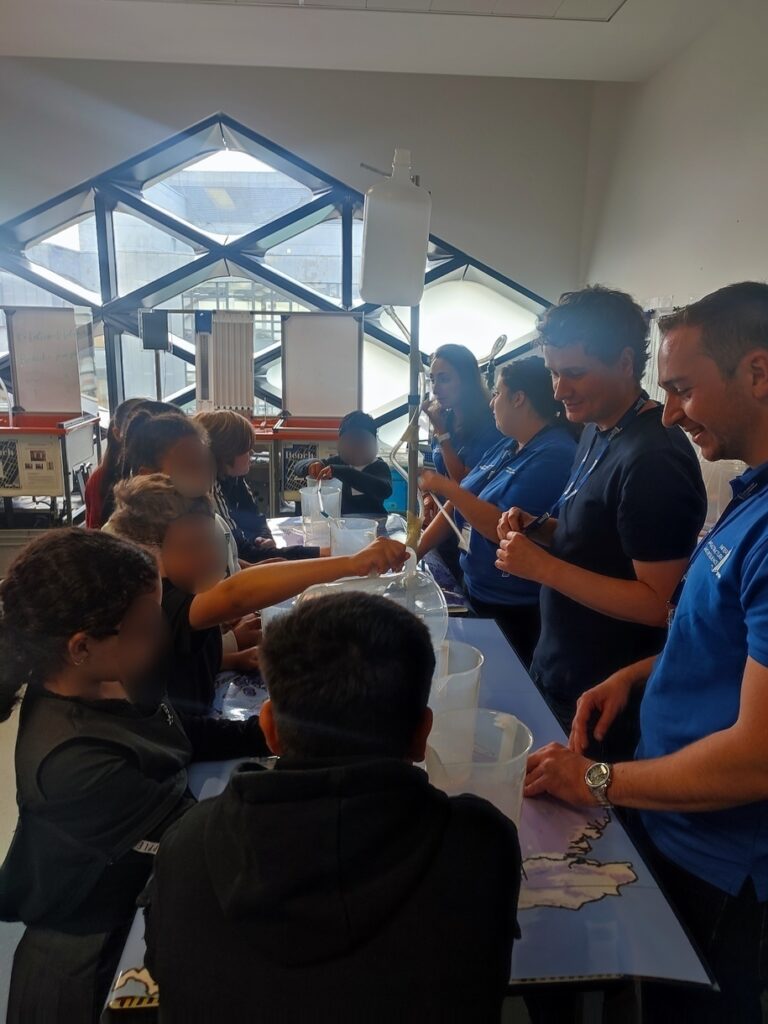
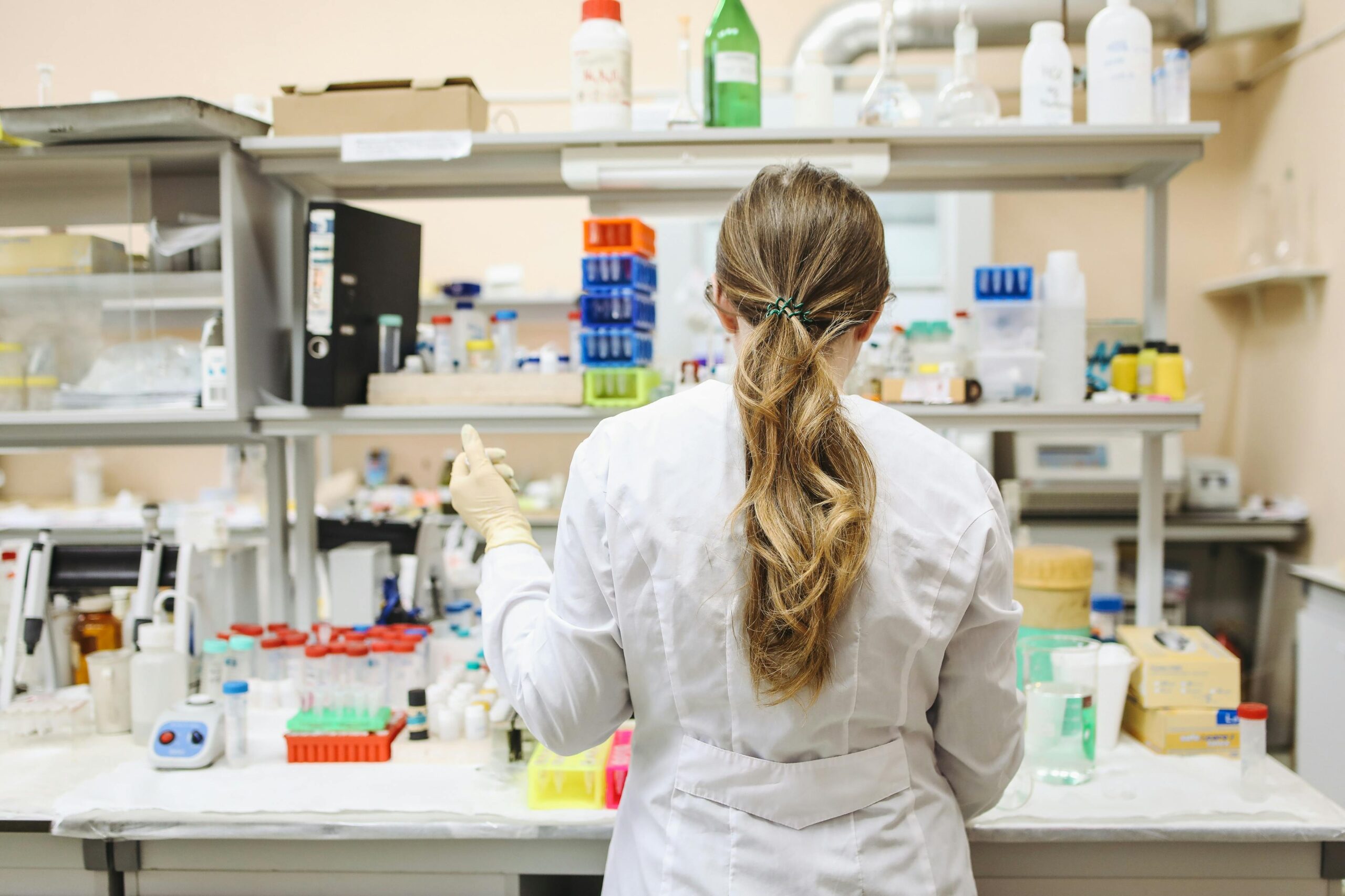
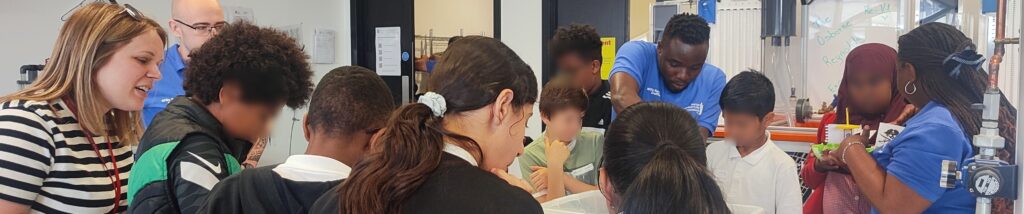
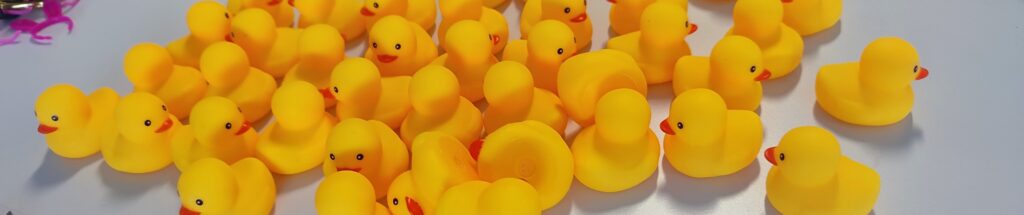
A group of WIRe CDT PhD students work with children in a lab setting

CDT WIRe One-Day Conference and Challenge Week 2023


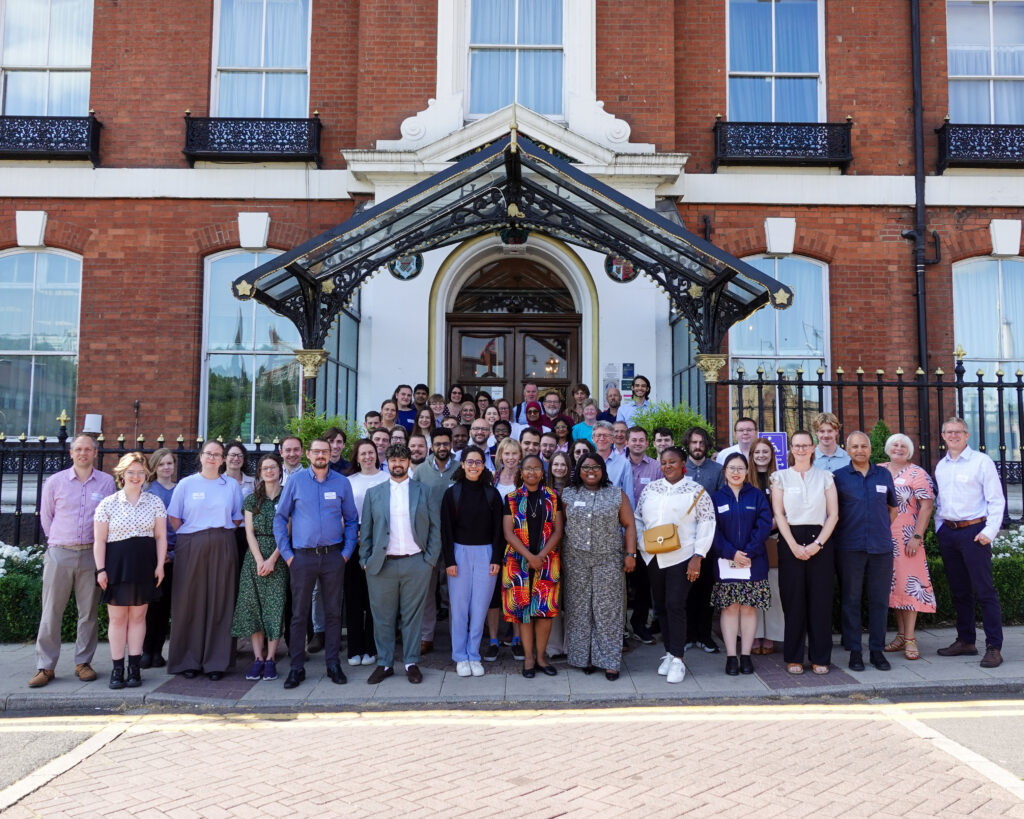
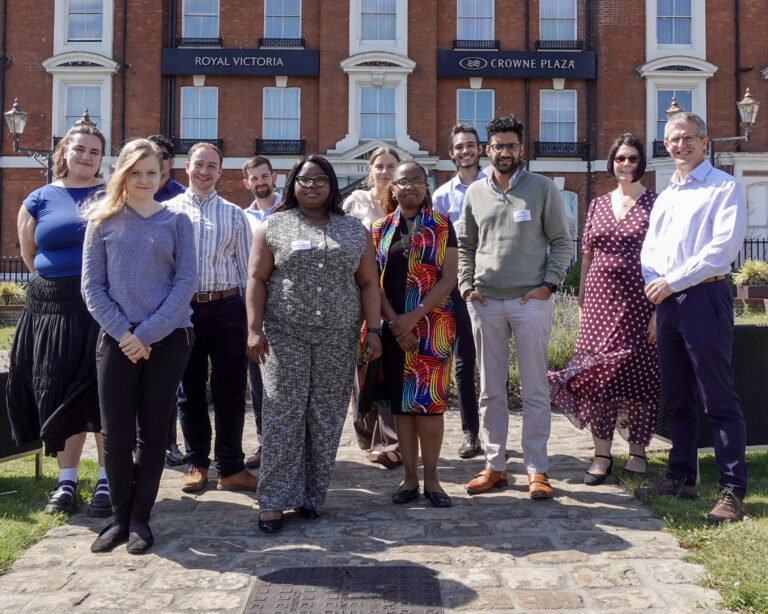
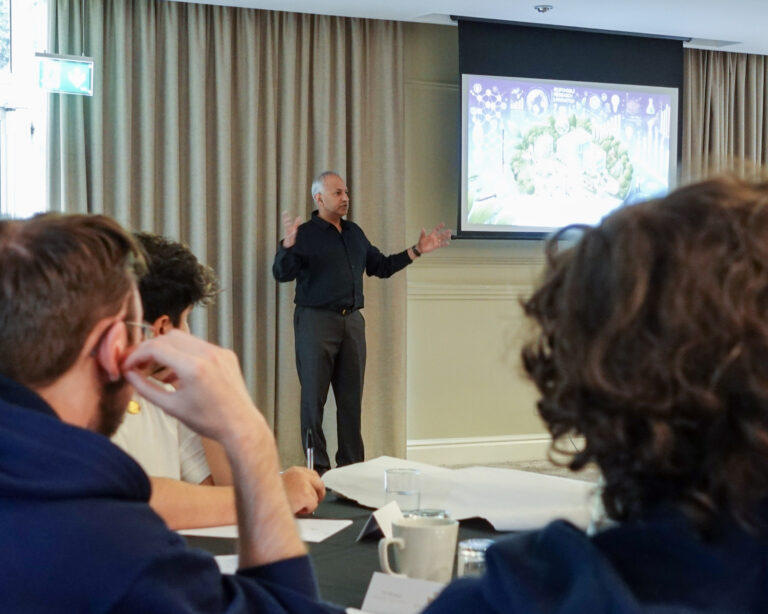
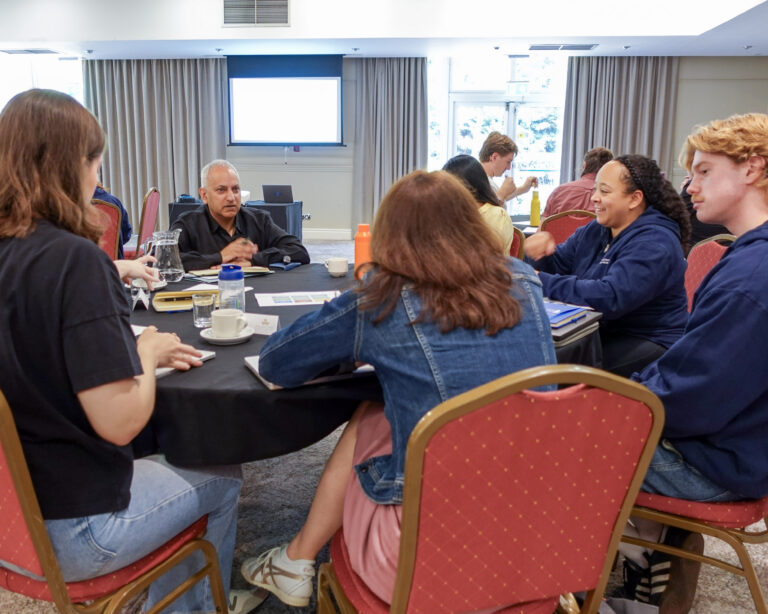
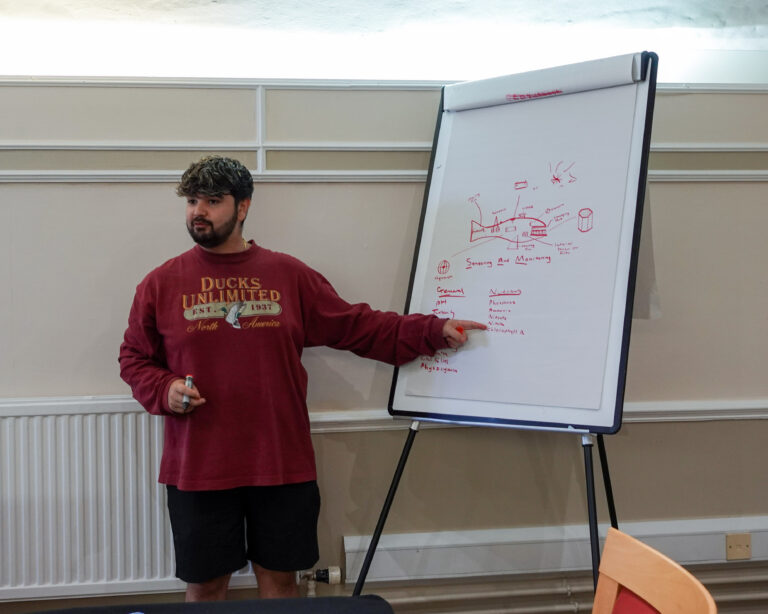
CDT WIRe Students at Summer Challenge Week 2023

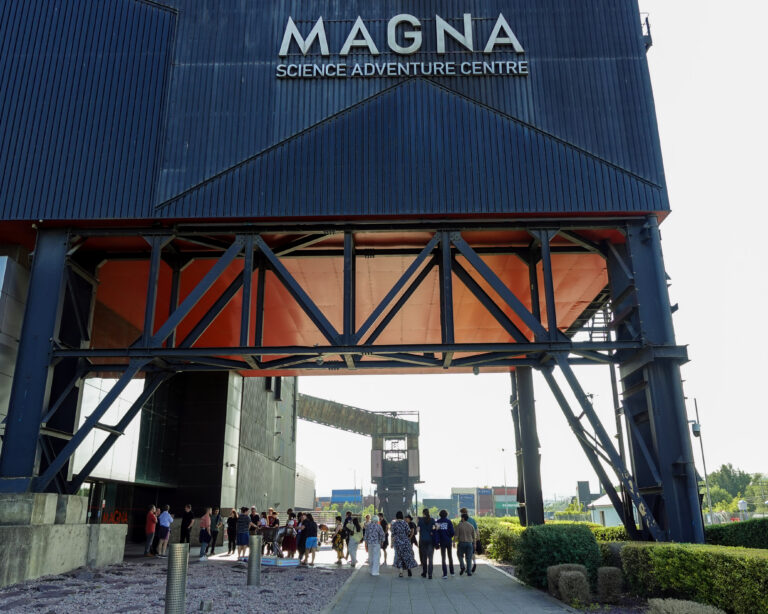
Organised by the University of Sheffield, the week challenged the students to think out of the box and participate in outreach activities that involved engaging school children in educational, yet interesting water related games. The aim of this year’s challenge was to enhance the social skills of the students, their ability to break down complex water engineering concepts and make them interesting and engaging to school children.

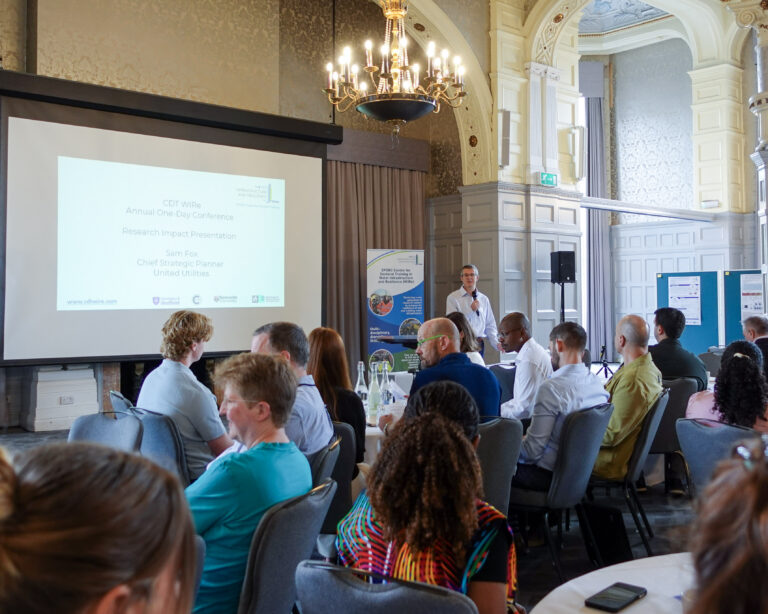
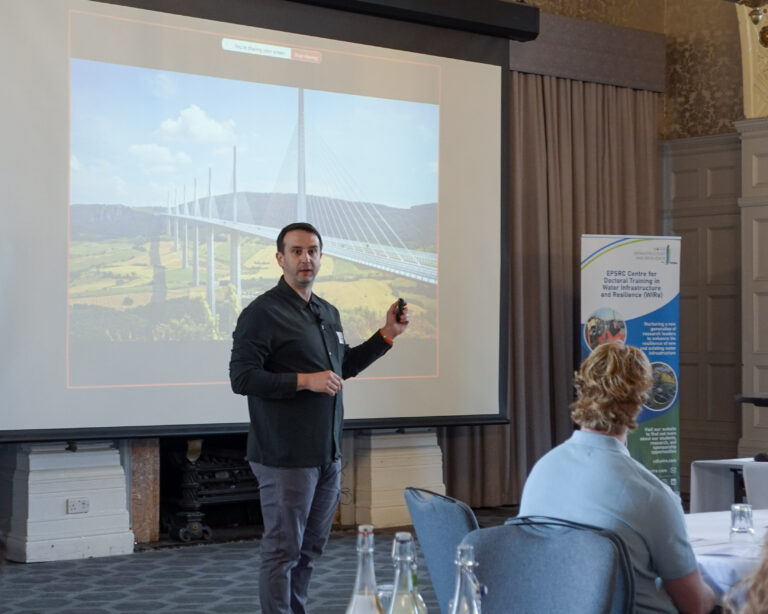
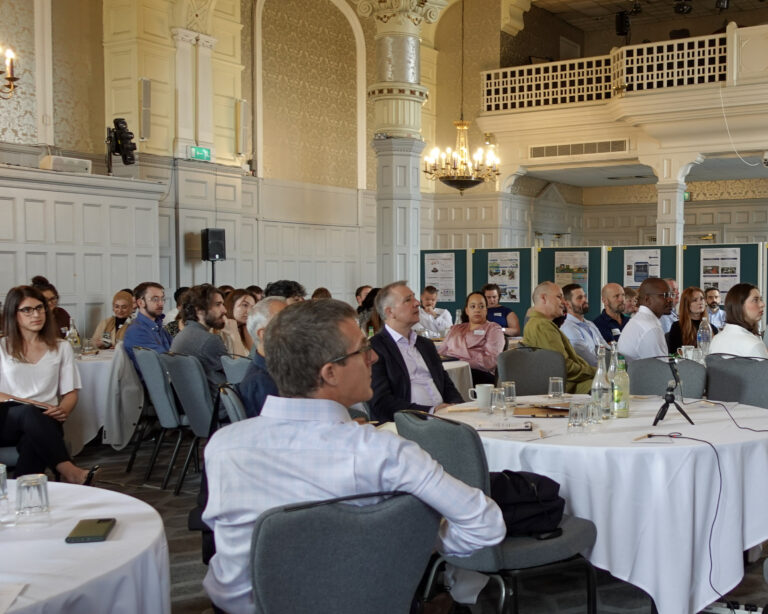
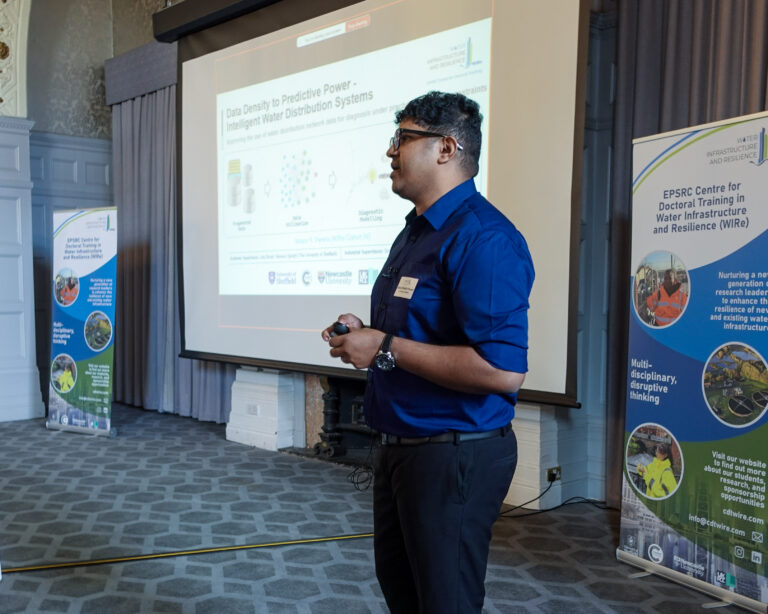
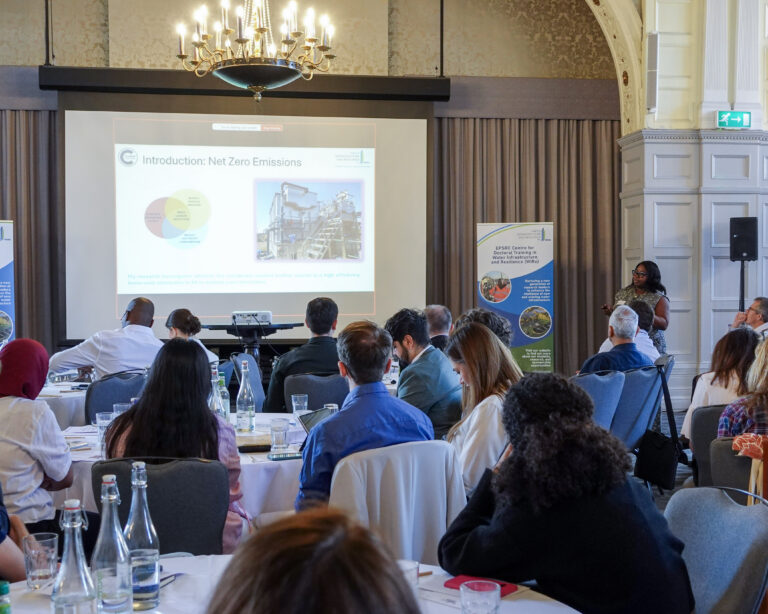
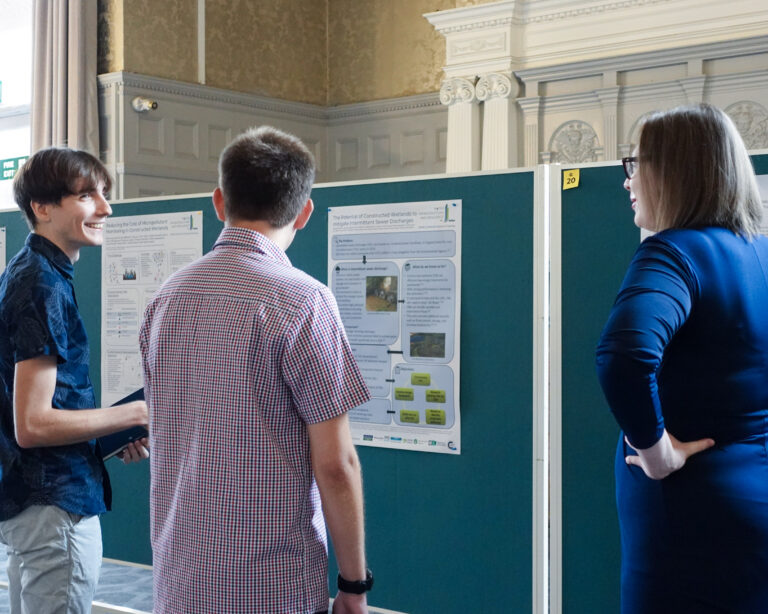
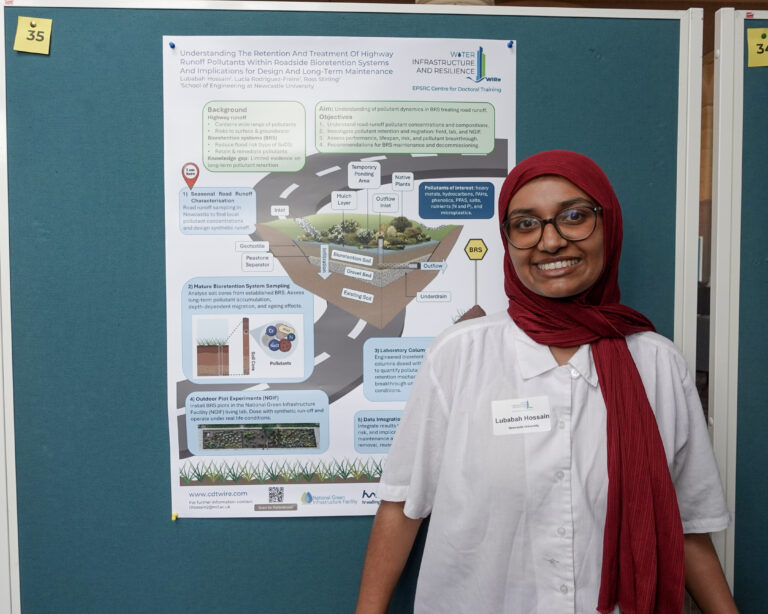
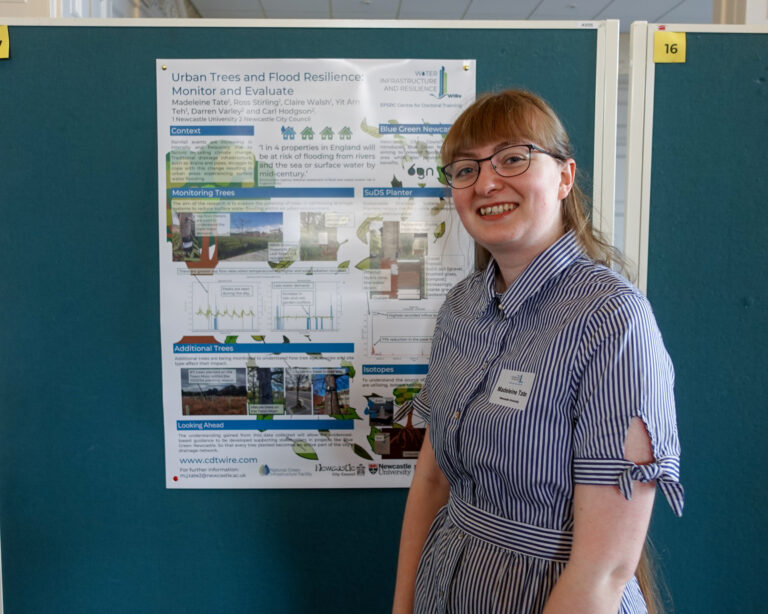
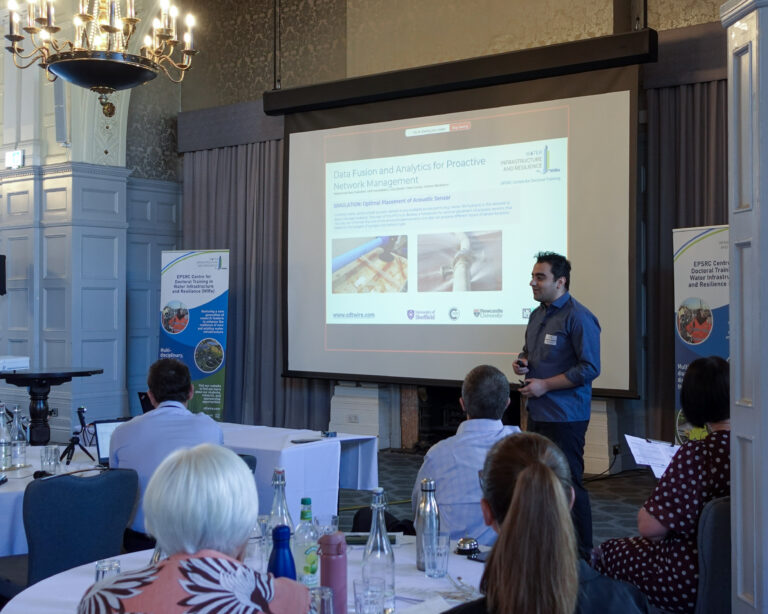
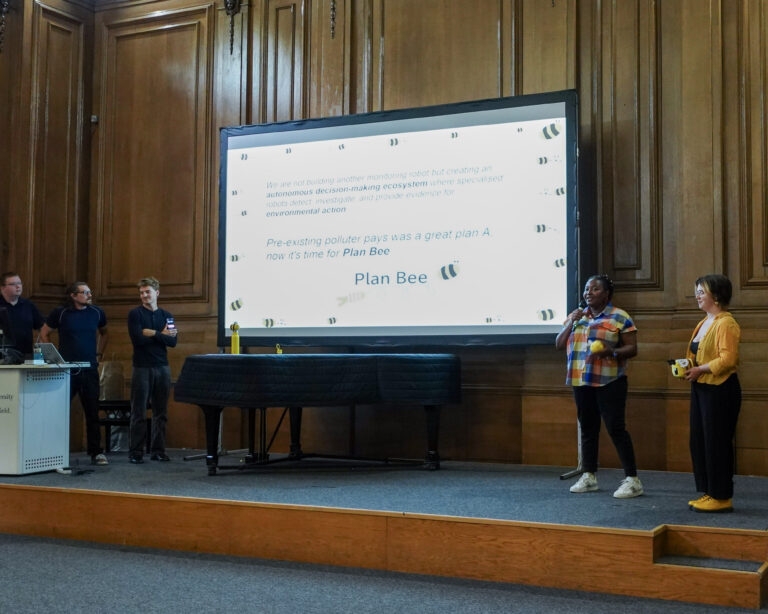
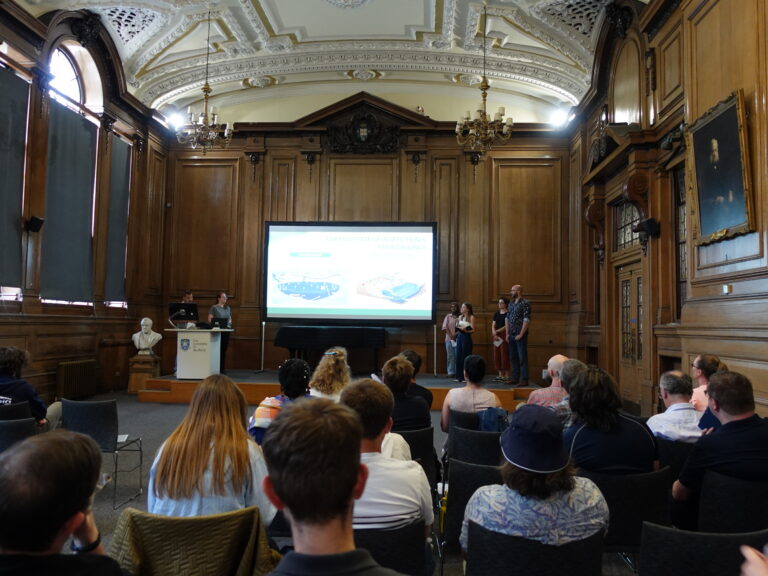
An important part of the week was the one-day conference. The day started with a presentation on research impact from Tony Conway, Visiting Professor at University of Sheffield followed by full presentations by cohort I researchers and alternated by three-minute poster pitches by cohort II students. 

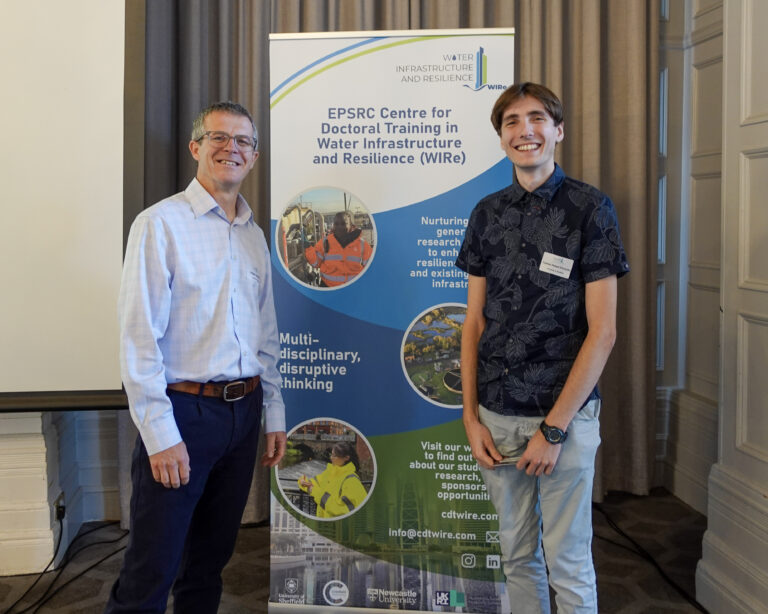
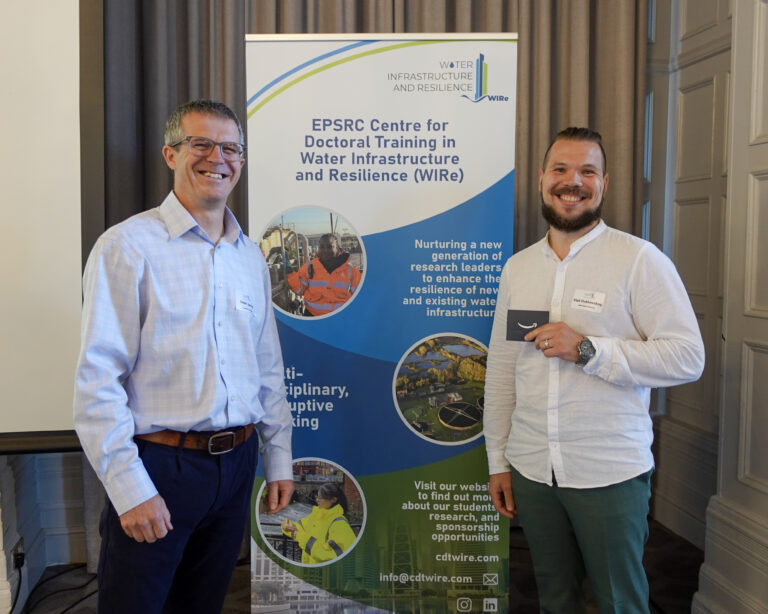
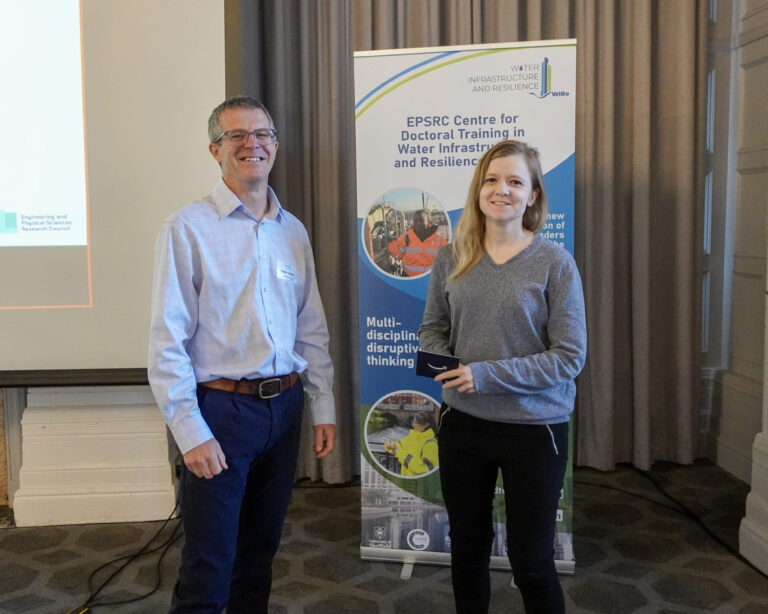
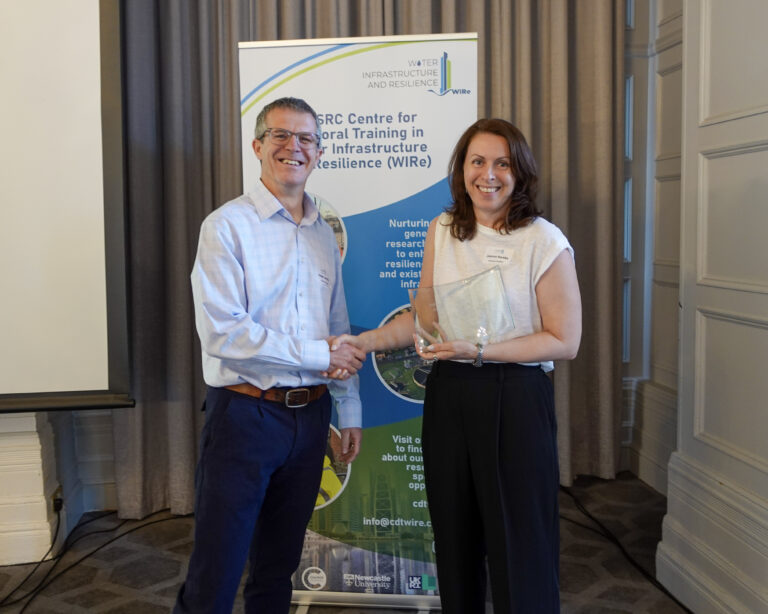
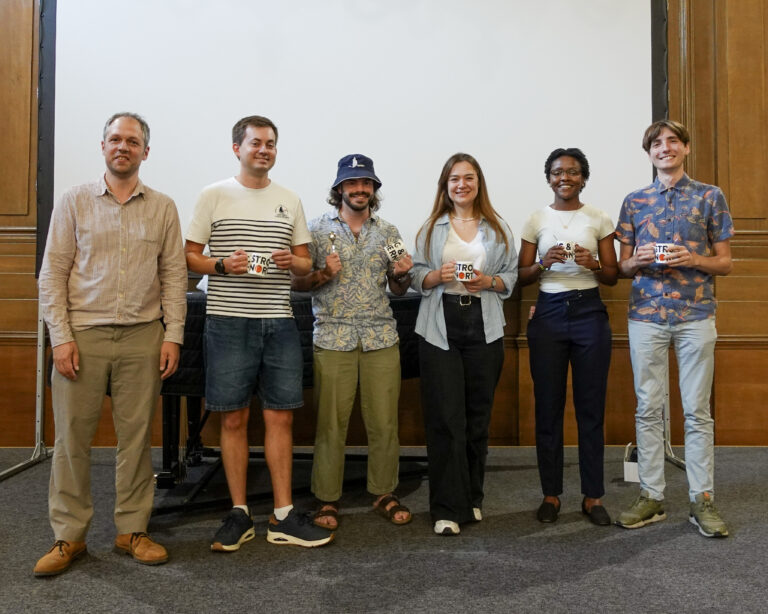
Congratulations to Lucie Bertolaso for winning the Best WIRe poster and to Jade Rogers and Daniel Ruth for winning the Best Three Minute Poster pitch and the Best WIRe Presentation prizes, respectively. Jennifer Hollands from cohort IV was presented with the Best Student in the Induction Semester prize at the end of the conference. Well done all!

A group of WIRe CDT PhD students work with children in a lab setting
WIRe PhD students leading an outreach activity

For the outreach event with the school students, two groups of WIRe students went to The Diamond, that houses exceptional equipment, labs and study spaces while two groups were placed at The Integrated Civil and Infrastructure Research Centre (ICAIR), to interact with the children. The students at the Diamond engaged with thirty 9–10-year-olds from Porter Croft Academy and those at ICAIR engaged with twenty-three 13-14-year-olds from Yewlands Academy.

The students at The Diamond presented four different activities.  One was about how water is supplied to cities, which they showcased through an interactive game of understanding the cost of water supply vs cost of bottled water and by using different sized pipes to depict water flow, and how that affects the flow of water to each city.  The second showed the ways in which water buoyancy is managed through an exciting and competitive game of pirates, boats and marbles as weights. 

The third highlighted the use of water movement to generate energy, using a mini turbine to show the effect of water movement on the spinning of the turbine. Students talked about their experience of visiting a windmill on a school trip and asked them to compare what they’d seen previously to a turbine they were shown. They also used a handheld windmill, looked at the shape of the curves and asked them to suggest why they were shaped that way. They had a mini quiz that asked them some fundamental questions of hydropower and explained key terms that were probably new such as kinetic energy = movement energy. This proved to be the most challenging one for the students.

The final activity talked about water flows, using rubber ducks. The school children decorated their ducks in any way they liked and using a flow meter, tested to see if their duck flowed fastest from one end to the other. This was the most fun game for the students as they could interact with all the elements involved and make a race out of it. 

WIRe PhD students lead an outreach workshop
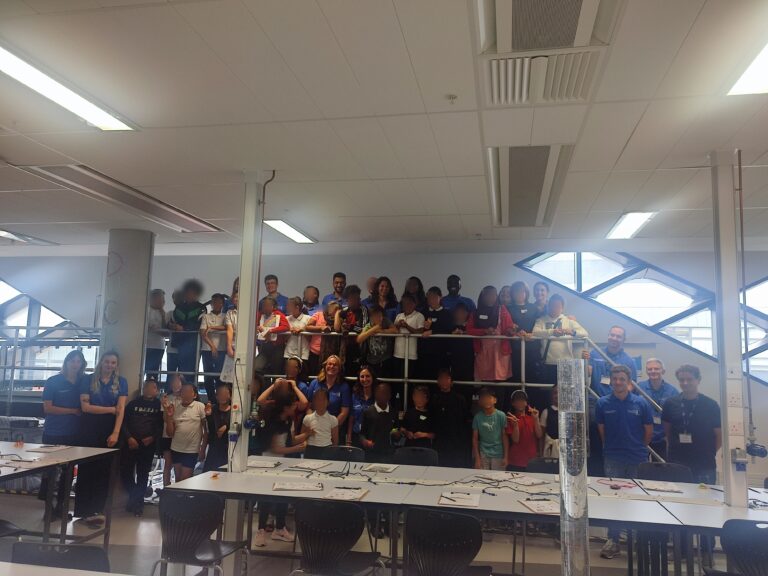
a group of children and PhD students stand in a science classroom smiling at the camera
WIRe PhD students with the children taking part in the outreach activities

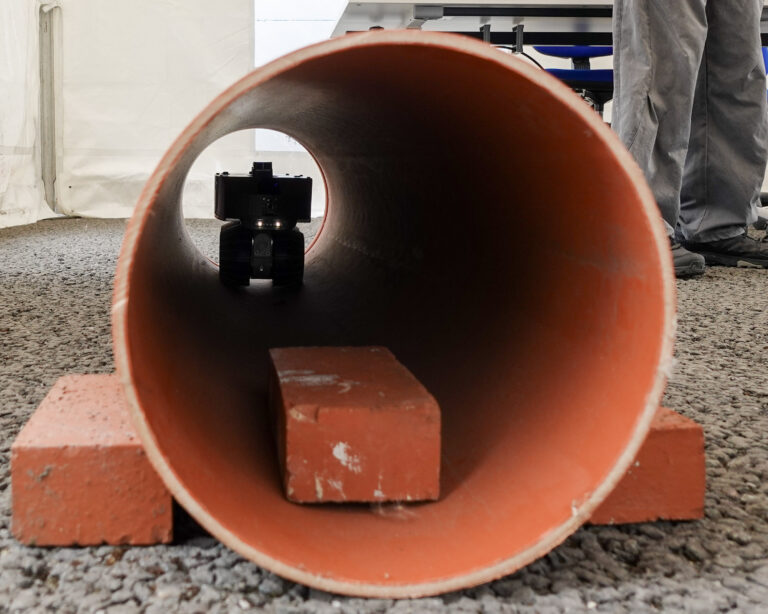
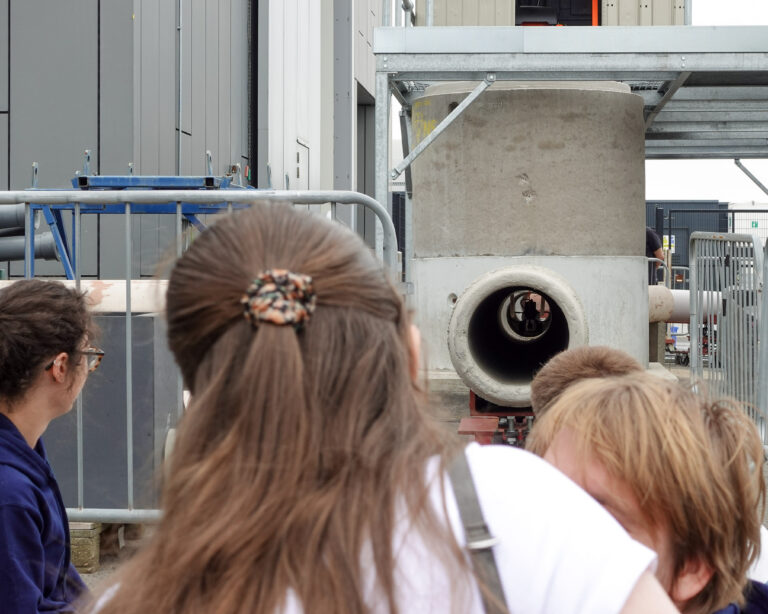
At ICAIR, the students conducted four main activities. In the first activity, the pupils learnt how to investigate sewage pipes using the full-scale sewer pipe testing facility to create replica blockages (to represent things like wet wipes, fat bergs in real life) and then sent water down at various speeds (to represent normal or storm flows) with rubber ducks floating in it and timed how long they took to get through. They used CCTV cameras to identify items in pipes and then discussed on which of those items are likely to block sewers. 

The second activity was to look at water distribution networks using the smaller scale water pipe test facility to understand flows through pipes and the forces involved in a typical water distribution network, ensuring that each ‘tank’ / house received an equal amount of water. 

The third activity was about investigating blockages, a follow-up on the sewer blockage activity, where the students dropped rubber ducks of various sizes into the pipes to see which would arrive first at the end of the test cell. There was a discussion on blockages and fatbergs and impact on sewer systems post the activity. 

The final activity was about water flow monitoring where a desktop pipe network was used to simulate what would happen if there was a pipe leakage. The students were able to use simple formula to calculate how much water was lost to a leaking pipe after a given time.

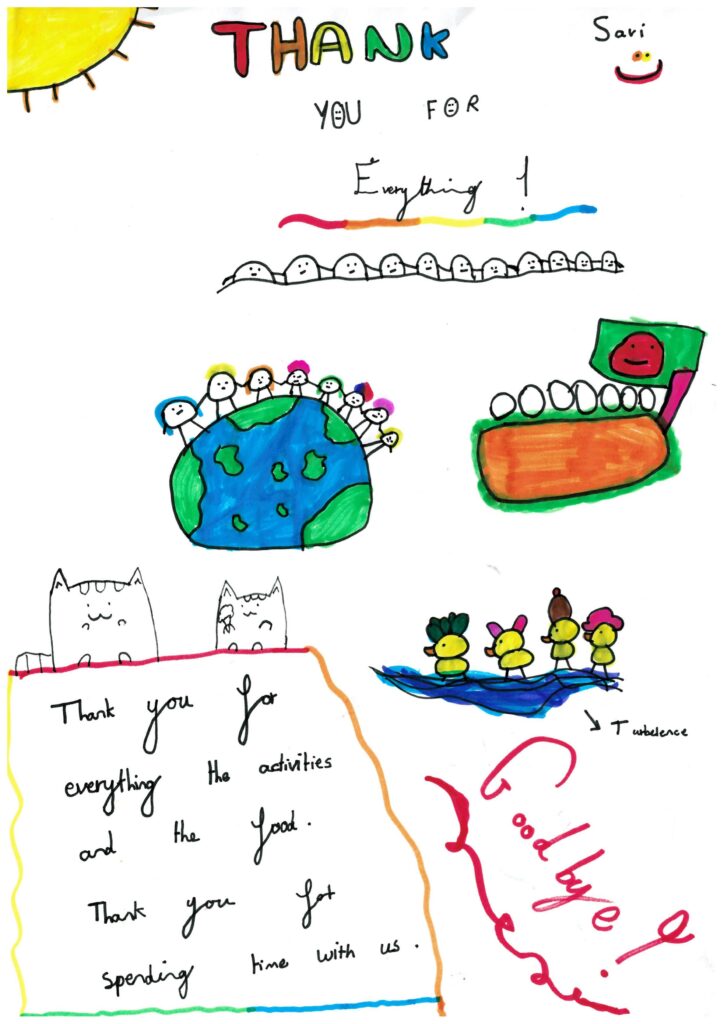
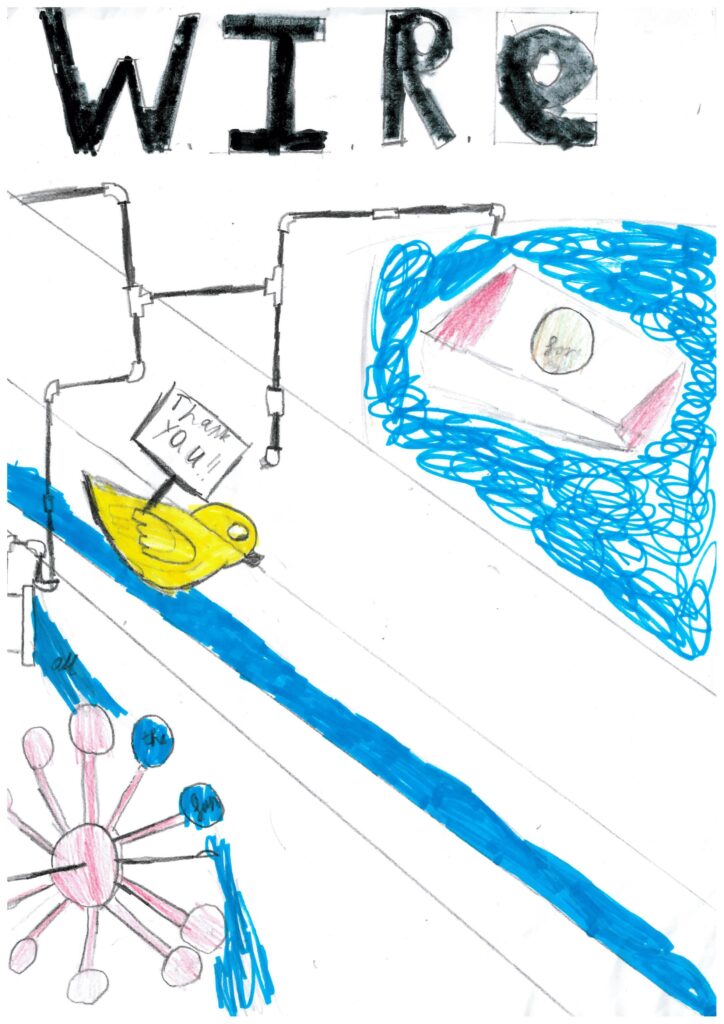
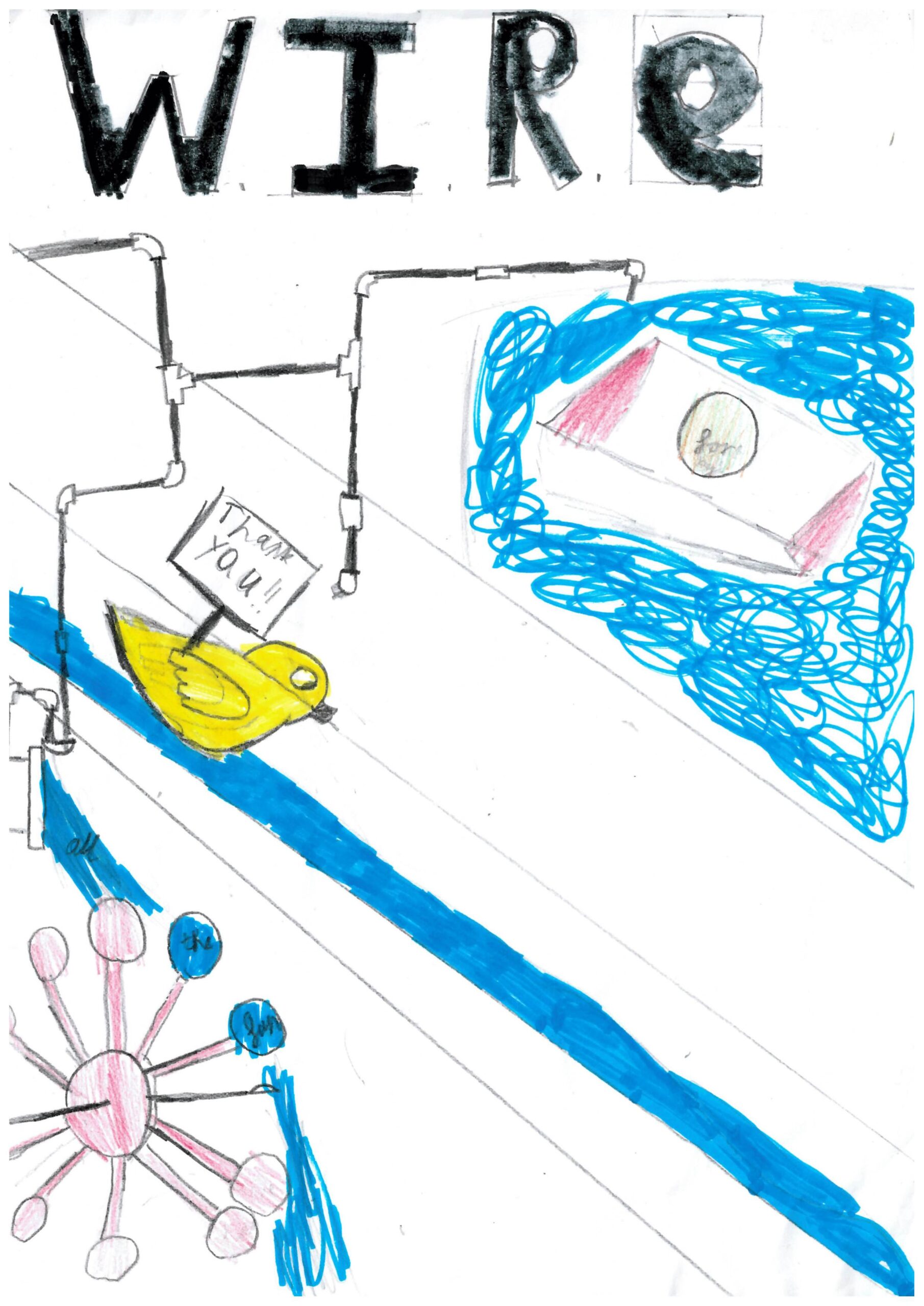
After the activities the schools shared adorable thank you cards with the WIRe students, expressing their enthusiasm for the activities organised as well as the pizza that the team got them for lunch!

The WIRe students reflected on their key takeaways from the outreach activity, what they learnt from the experience of explaining the science behind their activities to school children. 

The Summer Challenge Week was a stimulating time for the WIRe students to step out of their comfort zone and engage in activities that they normally do not, as part of their PhD. Well done all, you did a great job!

We look forward to another exciting Summer Challenge Week next year! 

Thank you card drawn by a child
Thank you notes written by the participating children
thank you card written by a child
A group of people stand smiling at the camera outside in the sun. some are holding rounders bats. one is holding a trophy and another is holding a box of chocolates

WIRe Summer Challenge 2025

Following the Annual WIRe CDT One-Day Conference, we went straight into the Summer Challenge with Cohorts IV, V and VI! This year’s Challenge theme was Water Reuse in the UK.


The PhD students were split into groups, and each team was tackling a real-life case study on this theme - they were expected to provide technical solutions, publicity campaigns and develop plans for potential research programmes.


  • Group 1 was looking into alternative water sources for golf courses in Anglian Water region ⛳
  • Group 2 investigated direct reuse of wastewater for agriculture 🌱
  • Group 3 explored the possibility of direct reuse of wastewater for a new AI centre 💻
  • Group 4 considered how to recharge a reservoir with treated wastewater 💧
  • Group 5 proposed water sources for green hydrogen plants 🏞️


To help provide context to the topic of water re-use, on the first day of the Challenge, we had a series of talks by experts in the field:


  • Geoff Darch (Anglian Water) discussed supply-demand challenges and the potential for re-use, providing insight to Anglian Water's perspectives and goals looking forward to the future as one of the suppliers for the driest region in the UK
  • Mar Batista Seguí (Anglian Water) introduced the innovation process and challenges - what are the barriers to developing new systems and processes in the water sector?
  • Heather Smith (Cranfield University) looked at the UK's position on water recycling and re-use, emphasising the importance of communications and public engagement
  • Thomas Young (TEP - The Environment Partnership) then rounded off the morning with a discussion around international best practice of water recycling - what is already being done? There are a lot of creative methods to re-use water around the world!
Mar presenting - she is wearing a white shirt and red patterned trousers, standing to the left of a projector screen
Mar Batista Seguí
Geoff is stood with his back to the camera, facing an audience of people sat around round tables. he is wearing a blue shirt and dark trousers
Geoff Darch's introduction
Heather presenting; she is wearing a white shirt and a yellow skirt, stood to the left of a projector screen
Heather Smith presenting
Thomas Young presenting for the summer challenge. He is wearing a light shirt and dark trousers, stood to the left of a projector screen
Tom Young's presentation

The students were then hard at work figuring out how to tackle their own water re-use scenarios.

A group of students discuss their summer challenge scenario. Four students are sat around a table, one of them is speaking to the rest. they all have laptops
The students discussing their summer challenge scenario
A group of students discuss their summer challenge scenario. six students are sat around a table, one of them is speaking to the rest. they all have laptops
A group of students discusses the summer challenge

In the afternoon, Chris Jameson from Inside Edge Media Training delivered a workshop for our PhD students. Chris helped the students understand media strategy, including how to answer tricky questions, make good first impressions, and to channel their 'inner Oprah' in front of the camera. Throughout their PhD journeys, these communication skills will help the students share their research to a range of audiences.

Chris walking towards an audience of people sat around round tables. he is wearing a dark shirt and green trousers.
Chris Jameson's media training workshop
several people sat around tables are pictures laughing
Chris' workshop was an entertaining introduction to media training

The following morning, the groups of students each had the opportunity to meet with experts in the water sector to ask them questions around their scenarios to help them prepare their solutions.


After working hard all day, in the afternoon we had the chance to explore the local Nene Park and walk over the Ferry Meadows, which also happened to be a good opportunity to explore the local water infrastructure!

A group of 14 people stand in a row smiling at the camera. they are smiling in the sun. behind them is a lake with a narrow boat on it
Staff and students at Ferry Meadows

On the Thursday of Challenge Week, each group gave Town Hall style presentations. In the audience was a range of experts from industry and academia, as well as Chris Jameson from the media training. The audience asked a wide range of questions, putting the students on the spot, acting as a variety of stakeholders, including concerned members of the public, journalists, industry experts, and charity representatives.

two people sit behind a table with microphones in front of them, the person on the right is presenting to an audience that is off camera.
Students presenting in a Town Hall meeting
three people sit behind a table, presenting to an audience sat in rows in front of them.
The Town Hall audience

Chris Jameson provided feedback on their Town Hall presentations that afternoon – overall our students did really well at using their new media skills!


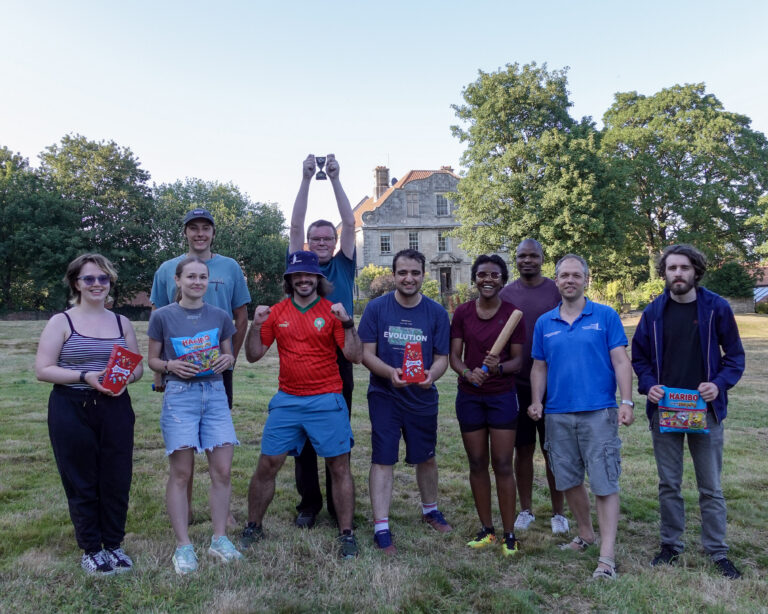
Thursday evening included the annual WIRe CDT rounders match – as always, it got a bit competitive; congratulations to the winning team!

A group of people stand smiling at the camera outside in the sun. some are holding rounders bats. one is holding a trophy and another is holding a box of chocolates
The winning rounders team!

On the final day of the Challenge, each group presented their proposal for their water re-use strategy for their scenarios.

Each group did really well at proposing a method to reuse water to reduce potable water consumption for non-drinking purposes. The presentations also included the production of a video for social media, which were all very creative!


Congratulations to Group 1 who won the prize for the Best Summer Challenge Proposal! We were very impressed with their proposal on how to reduce the amount of potable water used for irrigation on golf courses - well done 

Group 2 presenting their summer challenge proposal. on the left of the screen a man wearing a grey shirt and green trousers talks to the audience off camera. two people stand behind him
Students presenting from Group 2. From left to right: Jasper Wressell (Cohort VI), Alan Smalley (Cohort III), Ana Amezaga-Kutija (Cohort IV)
Group 3 presenting their summer challenge proposal. in the centre of the field of view a man wearing a black shirt and grey trousers talks to the audience (off camera). two people stand behind him
Students presenting from Group 3. From left to right: Mohammad Shekofteh (Cohort V), Cerith Rhys-Morgan (Cohort V), Sreelakshmi Babu (Cohort III)
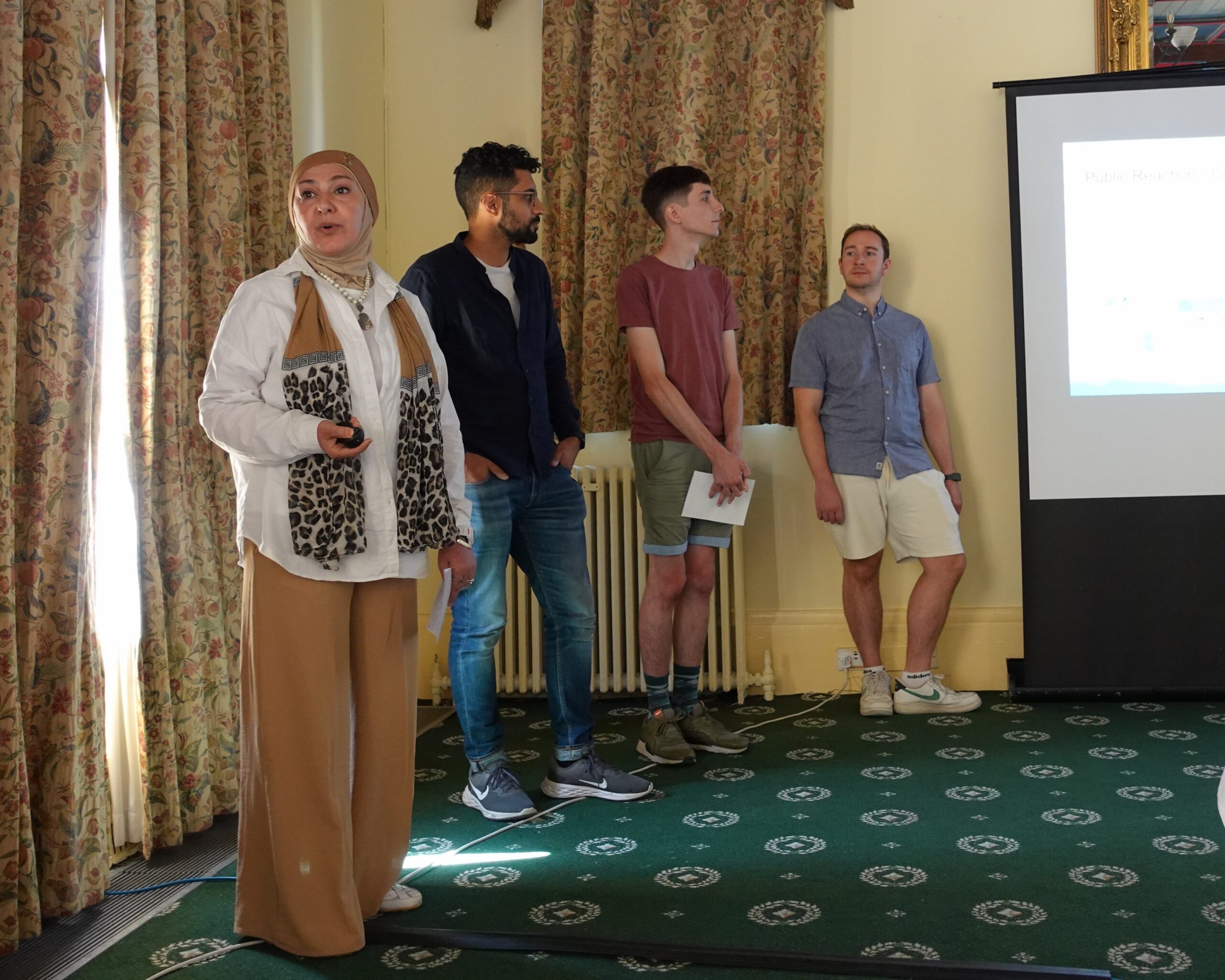
Group 4 presenting their summer challenge proposal. on the left of the field of view a woman wearing a white shirt, brown trousers, and a brown and leopard print headscarf talks to the audience (off camera). three people stand behind her
Students presenting from Group 4. From left to right: Linda Alobaidy (Cohort VI), Raman Suri (Cohort IV), Tomas Hotzel Escardo (Cohort V), Zachary Thomspon (Cohort IV)
A group of six people stand smiling at the camera in a row
The winning team - Group 1! From left to right: Vincent Smith (Cohort VI), Vladislav Dukhovskoy (Cohort V), Polly Grundy (Cohort III), Kaeli Brazier (Cohort IV), Blessing Mobolaji (Cohort IV), Peter Jarvis (WIRe CDT Director)

We hope everyone enjoyed the Summer Challenge this year, we are already looking forward to the next one. A big thank you to our colleagues with Anglian Water for supporting this week, and to Jackie Whelan for making the whole week happen!

A large group of people wearing business attire stand in rows smiling at the camera. They are outside on grass, the weather is sunny with blue skies and behind them is a stately home. Members of the group include PhD students, academic staff and industry partners who are sponsoring students

The Annual WIRe CDT Conference 2025


The Annual WIRe CDT One-Day Conference took place 30 June 2025, providing our PhD students with an opportunity to share their research both with each other and industry professionals.

a room full of people sat around round tables facing forward. The people are dressed smartly in business attire
The conference audience

The day began with a keynote talk by Dr Robin Price, Director of Quality and Environment at Anglian Water. Robin discussed his career with Anglian Water and the issues the sector is facing, before highlighting several key areas that rely on the delivery of academically rigorous research to drive the industry forward responsibly and sustainably, including:


  • Emerging contaminants
  • Circular economy – recovering resources from ‘waste’
  • Nature-based Solutions
  • Availability of water resources
  • Health of our water assets, such as reservoirs
  • Process emissions
  • Reputation of sector


As the students presented their research throughout the day, it was great to see that all these topics are covered across the broad range of WIRe PhD projects!

The conference audience
Robin Price delivering his keynote. He is wearing a dark jacket, white shirt and beige chinos. behind him is a projector screen and pull-up banners advertising the WIRe CDT
Dr Robin Price presenting

The students from Cohort III had the opportunity to present full-length talks highlighting the work they have done over the course of their PhD projects.

Samuel Yeboah Nyarko presenting. He is wearing a dark shirt and stood in front of a projector screen
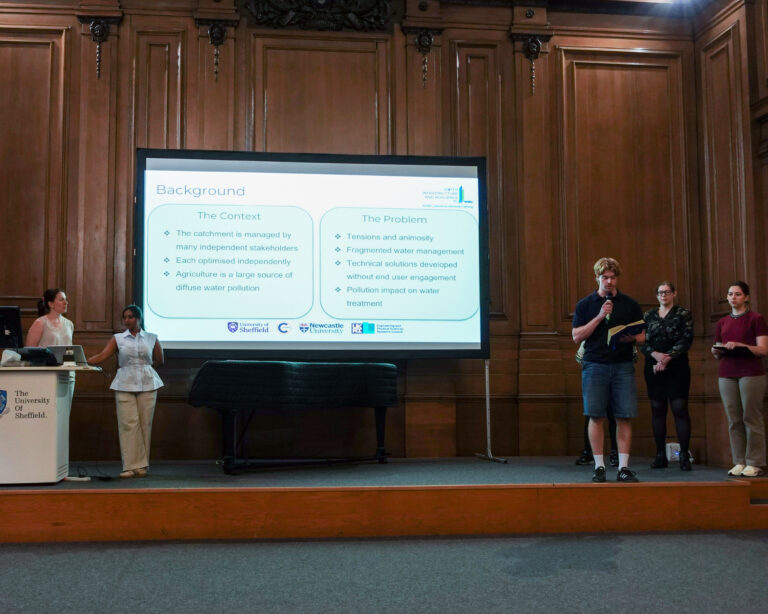
Samuel Yeboah Nyarko (Cohort III) presenting
Eleyna presenting, wearing a black and white striped dress
Eleyna McGrady (Cohort III) presenting

In the breaks between talks, we had the opportunity to check out the posters produced by students in Cohorts IV and V.


As well as producing posters, students in Cohort IV presented 3-minute poster pitches, summarising the work they have done so far!

people in business attire stood chatting holding cups of coffee
Delegates catch up over coffee
People in business attire stand around boards with scientific posters
Poster session discussions
People in business attire stand around boards with scientific posters
Delegates have a chance to view posters
Blessing presenting - she is wearing a purple, orange and green shirt with green trousers. She is stood looking to the left of the image with a projector screen behind her
Blessing Mobolaji (Cohort IV) presenting her poster pitch

Congratulations to the winners of the conference prizes:


Best Talk: Mark Powders - Ammonia to energy: A key decarbonisation strategy for the water sector


Best Poster Pitch: Ana Amezaga-Kutija - Proactive Management of Dissolved Organic Carbon (DOC) in Drinking Water Catchments


Best Poster: Tomas Hotzel Escardo - Advanced sensing and AI for risk detection in rail environments


We also awarded the prize for the highest achieving student from our induction semester - well done Lydia Mahan!

Mark Powders (left) shakes hands with Peter Jarvis (right), both are smiling at the camera wearing business attire
Mark Powders (Cohort III) wins the prize for Best Talk
Ana Amezaga-Kutija (left) shakes hands with Peter Jarvis (right), both are smiling at the camera wearing business attire
Ana Amezaga-Kutija (Cohort IV) wins prize for Best Poster Pitch
Tomas Hotzel Escardo (left) shakes hands with Peter Jarvis (right), both are smiling at the camera wearing business attire
Tomas Hotzel Escardo (Cohort V) wins prize for Best Poster
Lydia Mahan (left) shakes hands with Peter Jarvis (right), both are smiling at the camera wearing business attire
Lydia Mahan (Cohort VI) wins prize for Highest Achieving Student from our induction semester

Overall, the day was a great opportunity to hear about the range of research our PhD students are doing - we can't wait to see what they do next! To see all of our students, and their project topics, click here.

A large group of people wearing business attire stand in rows smiling at the camera. They are outside on grass, the weather is sunny with blue skies and behind them is a stately home. Members of the group include PhD students, academic staff and industry partners who are sponsoring students
All delegates of the Annual WIRe CDT One-Day Conference

This was Cohort III’s final WIRe Annual One-Day Conference – their presentations highlighted a wide range of impactful and innovative research. We wish them good luck in the final stretch of their projects!

A group of people wearing business attire stand in a white bandstand smiling at the camera
Cohort III

After the conference, we took a coach to Angle Entertainment, where staff and students had the opportunity to try out axe throwing, escape rooms, and play board games; it was a chance to unwind with some healthy competition!


Students from Cohorts IV, V, and VI, stayed in Peterborough to take part in the annual WIRe Summer Challenge - find out more about what we got up this year here!

Meet Alan Smalley

Email: Alan.Smalley@cdtwire.com

Academic and Industrial affiliations: The University of Sheffield, Thames Water and Severn Trent Water
Title of research project: Real Time Forecasting of Catchment Water Quality to Improve Supply Resilience

Cryptosporidium is a waterborne pathogen of major concern to drinking water providers because of its resistance to chlorination and its infectivity at very low concentrations. Ingestion of the pathogen can lead to severe and prolonged gastroenteritis, with the illness posing a particular threat to patients who are immunocompromised.

Raw waters (e.g. rivers) containing high levels of Cryptosporidium present a significant threat to drinking water supplies because water treatment processes may be incapable of achieving full removal. Selective abstraction – i.e. to avoid raw water which is high in Cryptosporidium – therefore plays a major part in current risk management practices. Unfortunately, this approach is dependent on direct measurement, which is slow and labour-intensive. Samples typically take two days to process, during which time the contaminated water may have already been abstracted to reservoirs or water treatment works.

The ability to make real-time forecasts of the risk of Cryptosporidium exceeding background or threshold levels in the raw water would be a significant aid to water providers. The aim of the current project is therefore to analyse existing datasets with a view to advancing understanding of Cryptosporidium sources and transport mechanisms. This new insight will then be used to develop a forecasting tool which will quantify the risk of the pathogen achieving elevated levels in the river. Finally, the tool will be coupled with a water resources-based framework, incorporating both the Cryptosporidium risk factor and water supply demands. This framework will allow water providers to make more informed decisions about when to suspend and resume raw water abstraction, reducing the risk posed by the pathogen while increasing the volume of water available for treatment.

STREAM and WIRe Symposium at Newcastle University

Newcastle University held its bi-annual symposium recently. Researchers from the university, who are part of the STREAM and WIRe CDTs, provided updates on their project along with outcomes to their peers and academic supervisors. The symposium offered students an opportunity to form new collaborations and network with their peers as well as the academic supervisors. 

WIRe CDT runs from 2019 to 2027 with 60 students recruited across 5 cohorts.

Meet Samuel Nyarko

Email: Samuel.Nyarko@cdtwire.com


Academic and Industrial affiliations: Cranfield University, Anglian Water, Thames Water

Title of research project: Securing drinking water supplies: the role of organic matter on water treatability

Globally, one in four cities is water-stressed, and the projected demand for water in 2050 is set to increase by 55%. The National Infrastructure Commission in the UK has estimated that an additional 1000 million litres of water per day (MLD) may be needed to secure the country’s water supply, which will be achieved through regional and national water resource planning. The Anglian Water (AW) region faces an acute water supply and demand gap due to low rainfall and rapid population growth, leading to expected water deficits of 35 and 145 MLD by 2025 and 2045, respectively. A strategic water supply network is being developed to transfer water from water-surplus to water-deficit regions, an increasingly used mechanism to improve drinking water resilience. However, the impact on water quality and treatability is unknown.
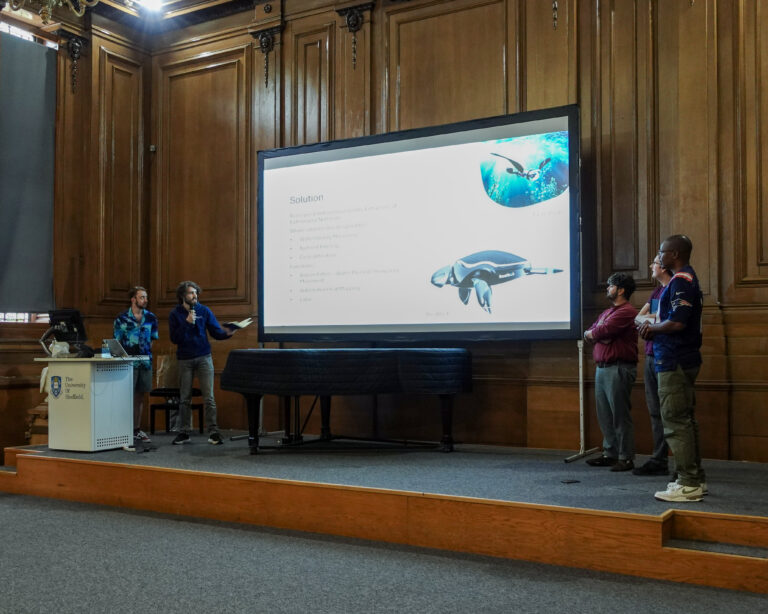
All source waters contain natural organic matter (NOM) that changes in quantity and character over time and space, so water transfers will invariably result in blends with different NOM characteristics and removal potentials by conventional coagulation and sorption processes. The hydrophobicity, molecular weight and charge control these processes and NOM characteristics also influence the downstream formation of potentially carcinogenic disinfection by-products. Thus, understanding NOM characteristics is crucial for effectively treating new water resources and blends.

Water utilities are relying on new sources of lower water quality due to revisions of abstraction licenses, increasing their reliance on surface waters. All surface waters in the AW region are from lowland catchments where NOM characteristics are not well understood. NOM has been well characterised in upland water sources, which has helped link it to treatability. For instance, UK upland sources have higher proportions of hydrophobic organic matter, which coagulation processes can effectively treat. In contrast, inputs of recycled wastewater and algal organic matter are more prominent in lowland areas, making NOM more hydrophilic and less amenable to coagulation. Currently, there is limited understanding of the characteristics of NOM in lowland surface waters that control their removal in drinking water treatment processes. This project will identify and match these characteristics with appropriate treatment methods to enhance their removal, allowing for the proactive development of strategies to treat these waters effectively for existing water treatment works and new ones that will be required.

Meet Charlie Whitelegg

Email: Charlie.Whitelegg@cdtwire.com


Academic and Industrial affiliations: The University of Sheffield, Scottish Water

Title of research project: Unlocking the potential of hydraulic transients as a source of information about water distribution networks

Charlie Whitelegg

A significant amount of water is lost in UK distribution systems as a result of leakage. With an increasing population and the added environmental pressures of climate change, managing our water resources is becoming more important. One aspect of water management is the reduction of leakage, a necessary element of which is leakage detection and localisation. Acoustic methods are currently the most popular for this purpose, however they have a reduced applicability in plastic pipelines due to low levels of acoustic transmission. An alternative method of leak detection more suited for plastic pipelines is the use of pressure transients. Pressure transients are generated in water distribution systems as a result of rapid changes in the velocity of water (e.g. pump failures and sudden valve operations).

Currently transient based methods aren’t commonly used in industry, largely as a result of system noise and unknown system configurations. Through this project, Charlie Whitelegg aims to investigate new methods of analysing transient data which are capable of correctly mapping pipelines and reducing system noise. Once developed, this method will be validated in real distribution systems to detect and locate the presence of leakage.  

Meet Matthew Pitt

Email: Matthew.Pitt@cdtwire.com


Academic and Industrial affiliations: Cranfield University, Affinity Water

Title of research project: Soil as a core infrastructure to achieve catchment resilience

Matthew Pitt

Climate change and increasing population in the drier south and east of the United Kingdom are critical challenges that the environment and the water industry face. In a water supply network that will be further strained, it is expected the south-east of England will require an estimated additional capacity of over 2000 Ml/d in a drought scenario, as the population is expected to rise by 51% by 2080. As 32% of the UK’s land is arable, optimising and improving water regulation within the soils of this arable land is paramount to securing future water supply and environmental protection. This is in tandem with the development of the Agricultural Transition Plan by the Department of Food and Rural Affairs, incentivising reduced tillage practices and supporting ground coverage of bare soil in non-growing periods of the year.

This project will assess if non-inversion tillage practices improve water transport in the soil during and near saturation, where percolation to groundwater leads to recharge. To do this, a range of field sites will be selected on the same soil type with similar climatology in the south-east of England. To estimate and compare the influence of tillage, multiple sites will be modelled using HYDRUS-2D/3D throughout the seasons, including the growth period using daily reported soil moisture data. Time periods of capillary percolation will be assessed noting the influence of in-situ preferential flow pathways developed from biological activity of undisturbed soil. When plot-scale estimations of the impact of tillage in the soil profile are complete, the next stage will be up-scaling plot-based conclusions to a broader groundwater catchment context, to estimate conclusions on implementation of reduced tillage practices on a wider scale across the south-east of England on arable land. 

Meet Lucie Pidoux

Email: Lucie.Pidoux@cdtwire.com


Academic and Industrial affiliations: Cranfield University, Thames Water, Anglian Water

Title of research project: Are ozone and granular activated carbon fit for purpose to meet current and future water quality challenges?

Lucie Pidoux

Ozone and granular activated carbon (GAC) drinking water treatment processes were implemented across parts of the UK water industry in the 1990s. Today, the equipment used to deliver the processes is reaching the end of its life and future challenges need to be carefully considered (emergence of micropollutants due to climate change and anthropogenic activities, regulatory changes). Hence the need to determine whether ozone/GAC remains the most appropriate solution. And if need be, would an enhancement of it, or an alternative process be able to address these forthcoming water quality challenges? 

Furthermore, past studies have shown that the reaction of ozone with organic and inorganic components can lead to the formation of undesired by-products. With the exception of bromate, it is generally accepted that most oxidation by-products are adsorbed onto GAC. However, there is not a lot of evidence of that today. Therefore, this research project aims at determining how ozone and hydroxyl radicals change the adsorbability of micropollutants and natural organic matter (NOM) by-products onto GAC. In the next phase of the research, opportunities will be explored in order to build a model based on molecular structure that predicts the degradation of micropollutants using ozone or an hydroxyl radical-based process. The model could then be used as a tool to indicate for a certain chemical should it react with ozone? with OH? should its by-products adsorb onto GAC?

Meet Isabel Carneiro

Email: Isabel.Carneiro@cdtwire.com


Academic and Industrial affiliations: The University of Sheffield, UKWIR

Title of research project: Achieving biologically stable / low AOC water in the UK

Isabel Carneiro

Uncontrolled regrowth of microorganisms in drinking water may alter colour, taste, and odour, have health consequences for consumers and generate significant cost for water utilities. In this context, achieving biological stability is critical for water utilities to supply consumers with water that is both safe and aesthetically pleasing. Throughout this project, Isabel Carneiro aims to better understand and assess biological stability from treatment to tap, including the role of both water treatment and distribution on this process.
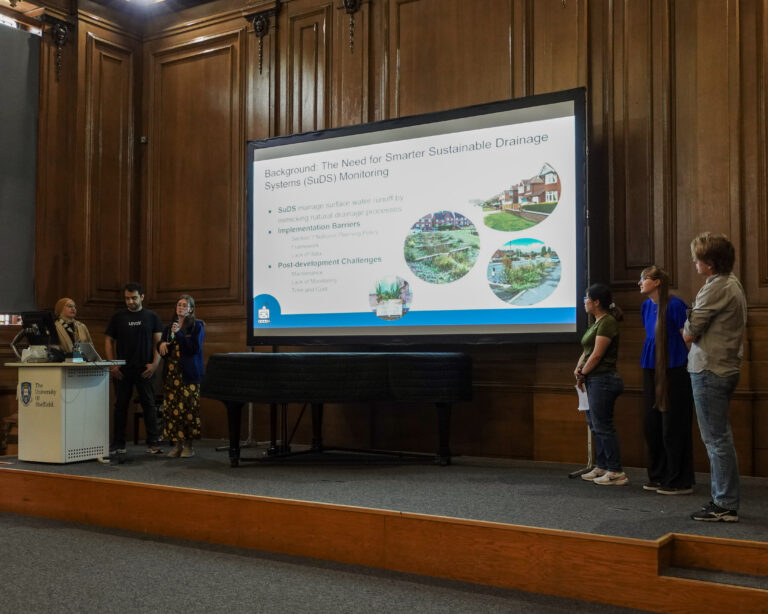

The project consists of three parts: historic data analysis, field, and laboratory work. First, analysis of large historic datasets from UK water utilities will draw out correlations between multiple parameters, identifying potential drivers and consequences of biological stability. Second, field work will compare the influences of different water sources, treatment processes and distribution practices on regrowth from treatment to tap in real world conditions. Finally, using a full-scale flow and temperature controlled experimental drinking water distribution facility, the role of biofilm on biological stability will be studied in three different nutrient conditions.