
woman in a lab

National Debate on Resilience in the Water Sector – Bridging the Skills Gap

National Debate on Resilience in the Water Sector 2025 - CDT WIRe Impact Case Study:

Impact Summary

The 2025 National Debate on “Bridging the Skills Gap in the Water Sector” brought together industry leaders, academics, and students to address one of the most pressing challenges facing the UK water industry: the shortage of skilled professionals. The event stimulated dialogue, informed policy and practice, and provided actionable insights for workforce development in a sector under increasing pressure from climate change, ageing infrastructure, and digitisation.

hand in a blue rubber glove holding a glass beaker of water

Underpinning Context

The UK water sector faces:

  • Critical workforce challenges: 20% of skilled workers due to retire this decade; only 8% under 24.
  • Increasing complexity: Integration of engineering, environmental science, economics, and social science.
  • Demand for diversity and digital skills: Organisations require talent capable of combining empirical science with digital innovation.

Details of the Impact

Activities

  • Keynote presentations from sector experts on resilience and workforce needs.
  • Panel discussion addressing:
    • Skills required for the digital age.
    • Attracting talent from other sectors.
    • Graduate perceptions of water careers.
    • Role of consultancies and universities in bridging the gap.
  • Student-led survey on career outlook and motivations.

Significance

  • Influenced sector thinking on workforce planning and skills development.
  • Highlighted student perspectives, showing optimism and interest in water careers, with pay and work-life balance as key motivators.
  • Strengthened collaboration between academia and industry to align graduate skills with sector needs.

Reach

  • Event was attended by water utilities, supply chain organisations, consultancies, universities, students, and other interested members of the public.
  • Interactive debate format encouraged contributions from all stakeholders.

Evidence of impact

  • Survey results demonstrated a positive student outlook and willingness to enter the sector.
  • Engagement from industry stakeholders on strategies for recruitment and training.
  • Feedback from attendees confirming the debate’s relevance and value for shaping future workforce initiatives.

Water treatment plant

Impact Pathways

Knowledge Transfer

Shared insights on skills gaps and solutions across academia and industry.

Capacity Building

Informed development of graduate programmes and CPD initiatives.

Policy Influence

Contributed to sector-wide discussions on diversity, inclusion, and digital transformation.

Future Plans

  • Publish a skills gap report summarising debate outcomes and survey findings.
  • Develop joint initiatives between universities and industry to embed interdisciplinary and digital skills in curricula.
  • Organise annual debates to monitor progress and maintain momentum on workforce resilience.
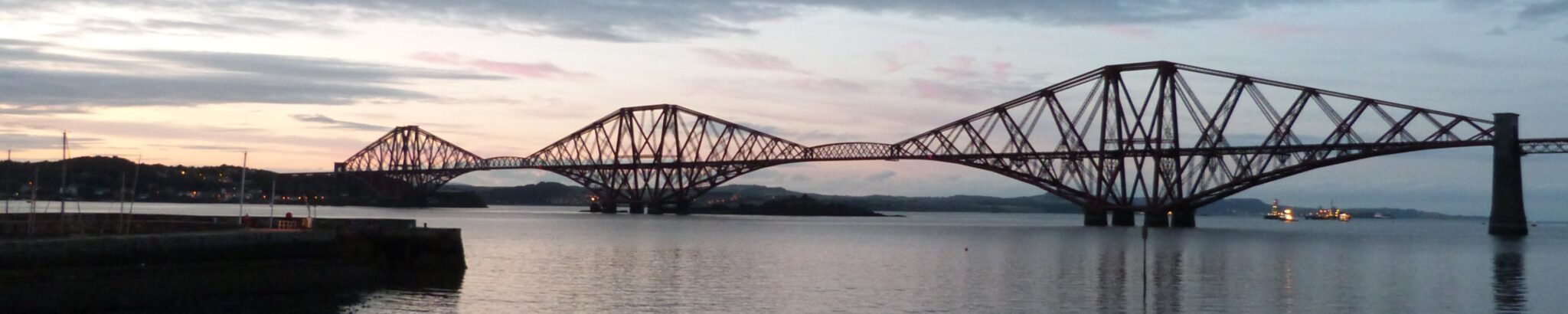
bridge
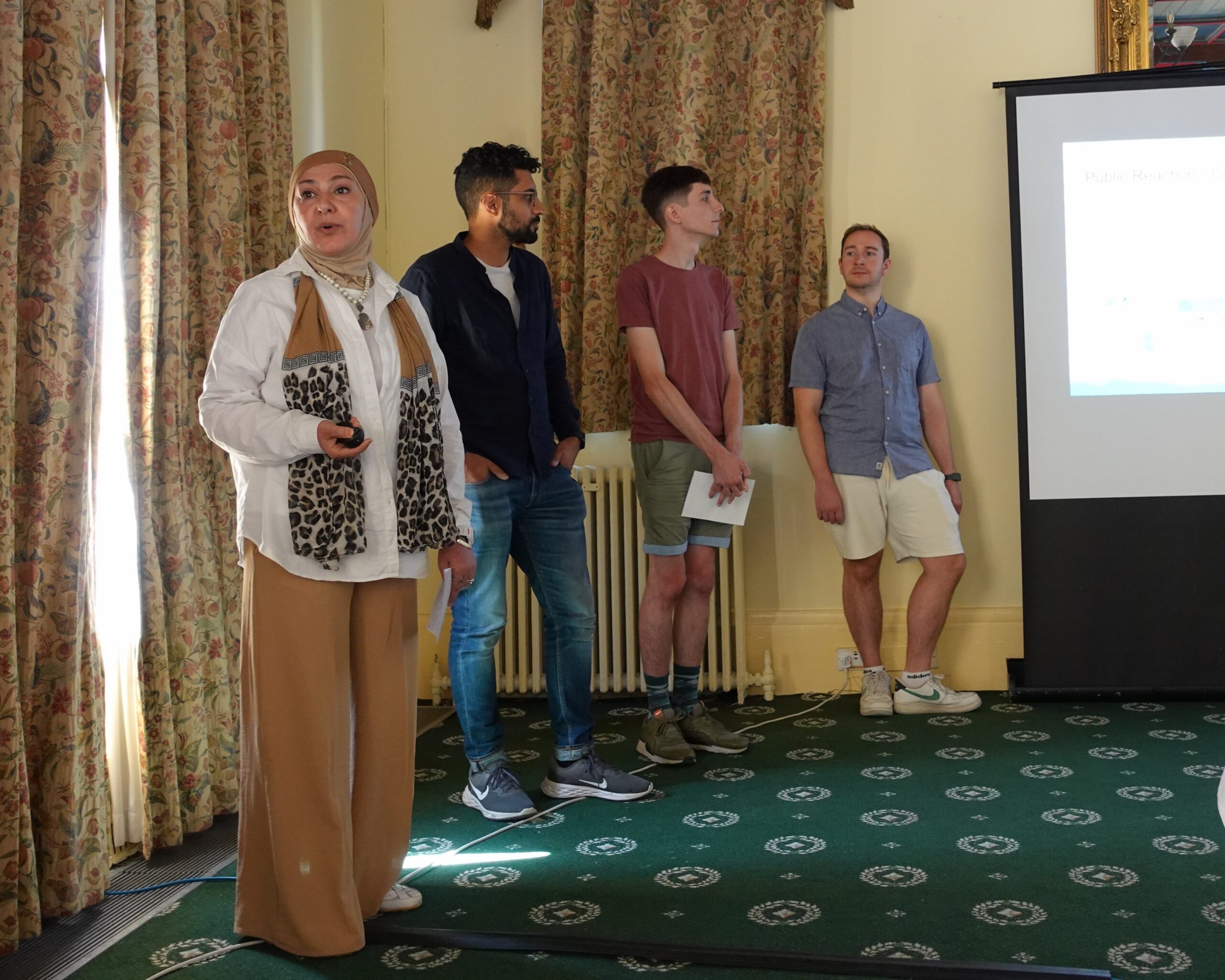
Group 4 presenting their summer challenge proposal. on the left of the field of view a woman wearing a white shirt, brown trousers, and a brown and leopard print headscarf talks to the audience (off camera). three people stand behind her

Developing Technical and Communication Skills Through Real-World Water Reuse Challenges

Summer Challenge Week 2025 - CDT WIRe Impact Case Study:

Impact Summary

The WIRe Summer Challenge 2025 provided PhD students with a unique opportunity to address real-world water reuse challenges in the UK. The event enhanced students’ technical expertise, strategic thinking, and science communication skills, while fostering collaboration with industry experts and promoting innovative solutions for sustainable water management.

Underpinning Research

The Challenge theme, Water Reuse in the UK, aligns with the WIRe CDT’s research focus on water resilience and sustainability. Students applied knowledge from their doctoral projects to:


  • Develop technical solutions for water reuse scenarios.
  • Design public engagement campaigns to improve acceptance of water reuse.
  • Propose research programmes to advance innovation in the sector and water reuse.

Details of the Impact

Reach

  • Involved students from Cohort VI from WIRe II and cohort IV and V from WIRe I.
  • Engaged with experts from Anglian Water, Cranfield University, and The Environment Partnership.

Significance

  • Students gained practical experience in technical problem-solving, stakeholder engagement, and public communication.
  • Industry experts provided feedback, strengthening links between academia and practice.
  • Proposed solutions contributed to addressing water scarcity and promoting sustainable reuse strategies in the UK.

Activities

Teams tackled five real-life case studies:

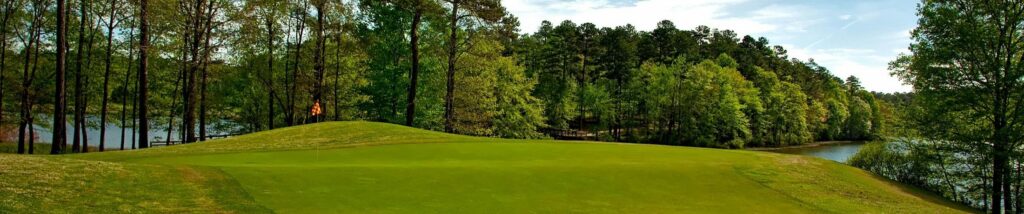
  1. Alternative water sources for golf courses.
  2. Direct reuse of wastewater for agriculture.
  3. Wastewater reuse for an AI centre.
  4. Reservoir recharge with treated wastewater.
  5. Water sources for green hydrogen plants.
  • Town Hall presentations to an audience of industry and academic experts, simulated stakeholder engagement.
  • PhD students produced social media videos to communicate solutions creatively.
  • Media training workshops developed skills in public speaking and handling press interviews.

Evidence of the impact

  • Positive feedback from industry experts on feasibility and creativity of proposals.
  • Media training instilled increased confidence and communication skills in the students, providing them with tools to handle high-pressure situations effectively.
  • Winning proposal was on reducing the water footprint for golf course irrigation, which highlighted innovative ways of tackling water recycling in a highly applicable manner.
golf course

Impact Pathways

Knowledge Transfer

Students applied research to real-world scenarios, bridging academic research with the needs of industry.

Capacity Building

Students developed transferable skills in communication, teamwork, and strategic planning.

Societal Benefit

Students promoted awareness of water reuse and sustainability through outreach and media engagement.

Future Plans

  • Scale up outreach activities: Extend engagement to more water utilities and stakeholder groups to raise awareness of water reuse.
  • Develop digital resources: Create online materials showcasing student solutions and water reuse strategies.
  • Integrate outreach training: Embed communication and stakeholder engagement training into the WIRe doctoral programme.
  • Attend National STEM Events (e.g., New Scientist Live): Inspire school-age children and the public about water sustainability and re-use.
a reservoir
thank you card written by a child

Inspiring Future Generations and Enhancing Researcher Skills Through Water Engineering Outreach

Summer Challenge Week 2023 - CDT WIRe Impact Case Study:

Impact Summary

The CDT WIRe Summer Challenge Week 2023 delivered significant impact by:

  • Enhancing communication and engagement skills of doctoral researchers.
  • Inspiring school pupils from underrepresented backgrounds to consider STEM careers.
  • Strengthening university-school partnerships and widening participation in engineering education.
students in a lab

Underpinning Research

The outreach activities were focused on exploring different aspects of water engineering and infrastructure resilience, including:

  • Water distribution systems and flow dynamics.
  • Sewer network management and blockage prevention.
  • Hydropower generation and energy recovery.
 
These areas are central to CDT WIRe’s core mission to address global water challenges through interdisciplinary research.

Details of the Impact

Reach

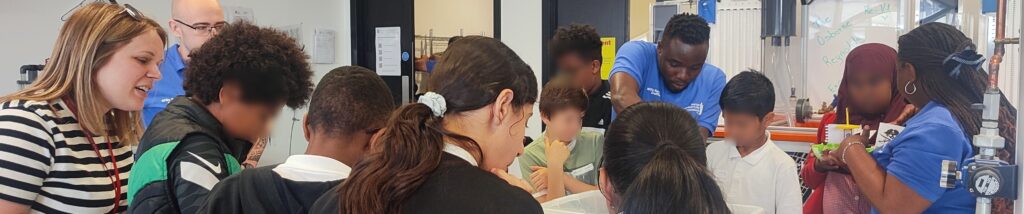
  • Fifty-three primary and secondary school pupils were engaged, from across two schools from relatively deprived areas around Sheffield.
  • Four WIRe student teams developed and delivered interactive learning sessions for the students at The Diamond and ICAIR state-of-the-art facilities at Sheffield University

Significance

  • Pupils gained firsthand experience with real-world engineering concepts, linking classroom science to practical applications.
  • WIRe students developed transferable skills in science communication, teamwork, and public engagement - key competencies for future research leaders.
  • Feedback from schools highlighted increased enthusiasm for STEM subjects and appreciation for interactive learning.

Evidence of the impact

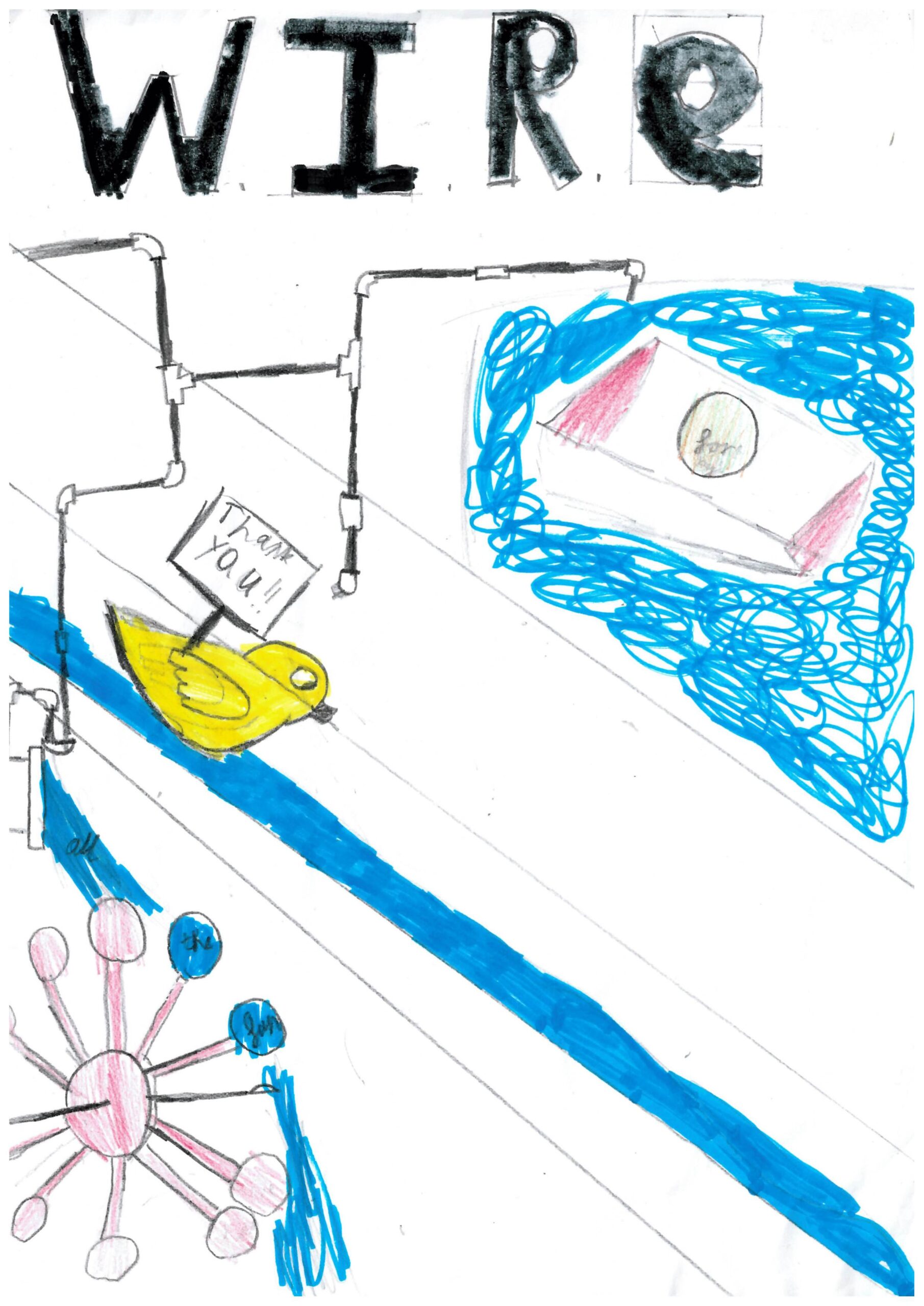
  • Thank-you cards and positive feedback from participating schools.
  • WIRe students developed essential skills and improved confidence in outreach and communication.
  • Activities aligned with school curriculum topics (energy, forces, sustainability), reinforcing learning outcomes.
  • Some WIRe students are now considering STEM teaching careers.
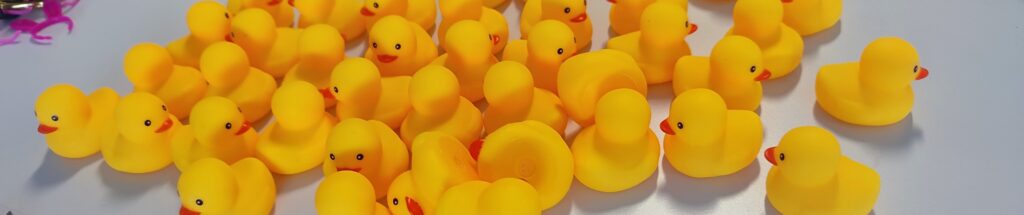
rubber ducks in a pile

Impact Pathways

Knowledge Transfer

Simplifying complex engineering concepts for younger audiences.

Capacity Building

Developing outreach models for future engagement.

Societal Benefit

Inspiring the next generation of engineers and promoting diversity in STEM.

Future Plans

  • Scale up outreach activities to include more schools and age groups.
  • Integrate additional outreach training into CDT WIRe’s doctoral programme.
  • Attend National STEM Events such as New Scientist Live to showcase CDT WIRe research and interactive activities at large-scale public engagement events. This will provide opportunities to inspire thousands of school-age children and their families, raise awareness of water engineering challenges, and promote STEM careers on a national platform.
pipes