Robots – WIRe Summer Challenge 2026

After the CDT WIRe Annual One-Day Conference, We were in Rotherham for the 2026 WIRe Summer Challenge, talking all things robots and automation across the water sector.


The week kicked off with a visit to ICAIR UK in Sheffield, where our students were introduced to this year's topic and engaged with industry demonstrations from Cura Terrae, Synovate and Synthotech Limited, and nuron, highlighting some of the latest technologies being used for monitoring across the water sector.


Our students had the opportunity to quiz our industry colleagues about the innovative solutions they are developing to address challenges across the water sector. 

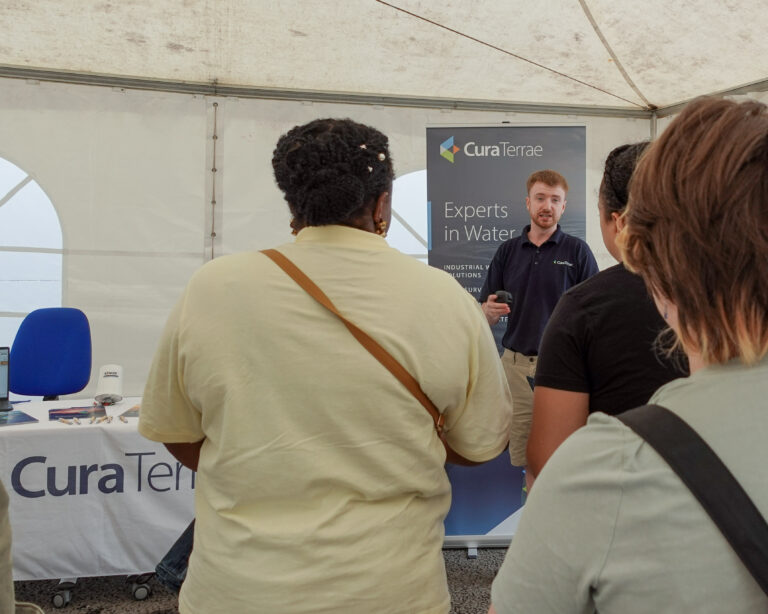
A man talking to an audience. The audience has their backs to the camera. The man is stood at an exhibition stand that is branded with 'Cura Terrae'
Cura Terrae's presentation
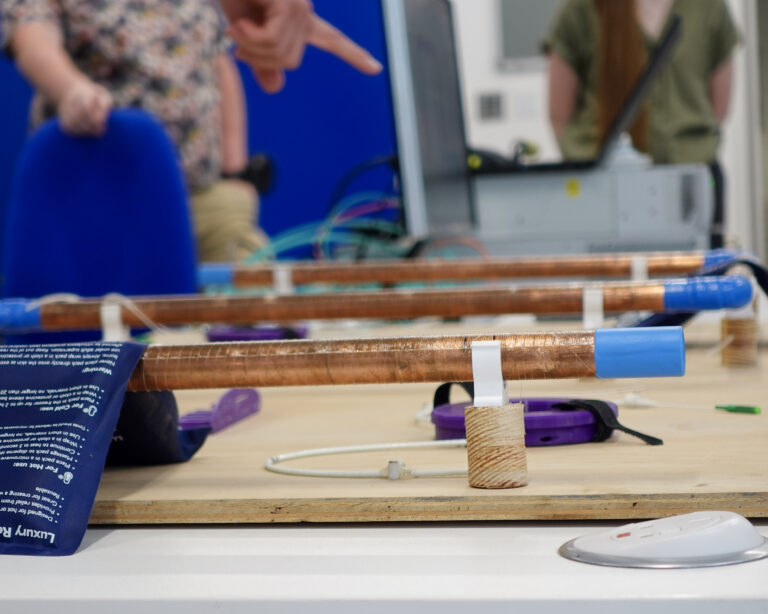
Fibre optic cables wrapped around a copper pipe
Nuron's demonstration - fibre optic cables to detect temperature changes along a pipe
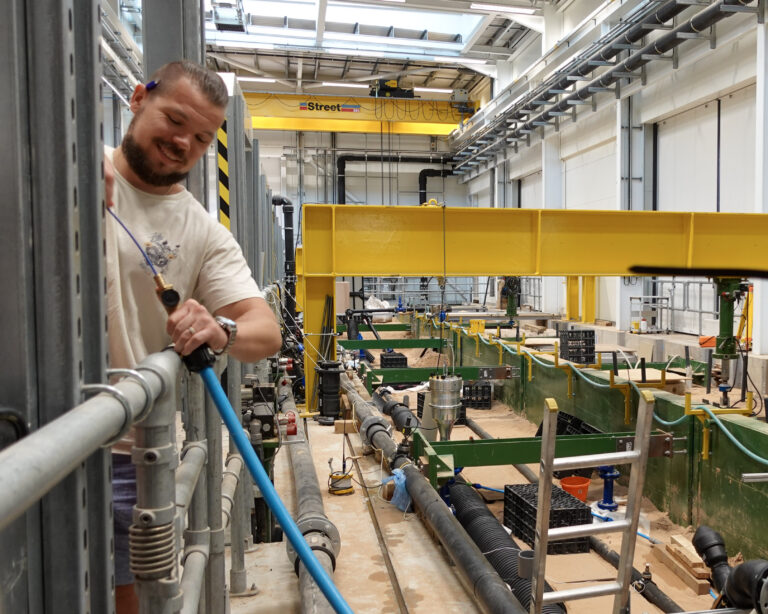
Our student, Vlad (Cohort V), engaging with Synthotech's demonstration, feeding a hydrophone along a pipe
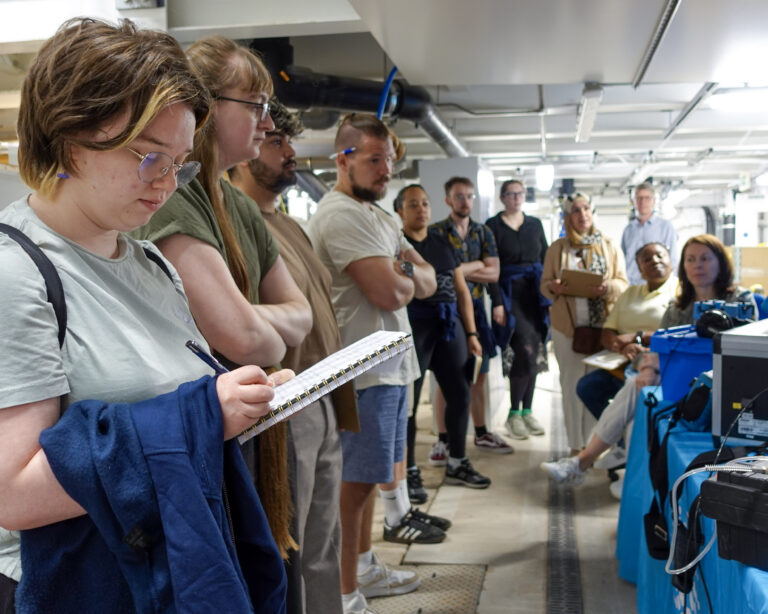
People stood making notes next to an industry demonstration
Students making notes around a demonstration

After the morning of demonstrations, our students were tasked to consider current challenges associated with the implementation of robotic inspection technologies within distributed water infrastructure.

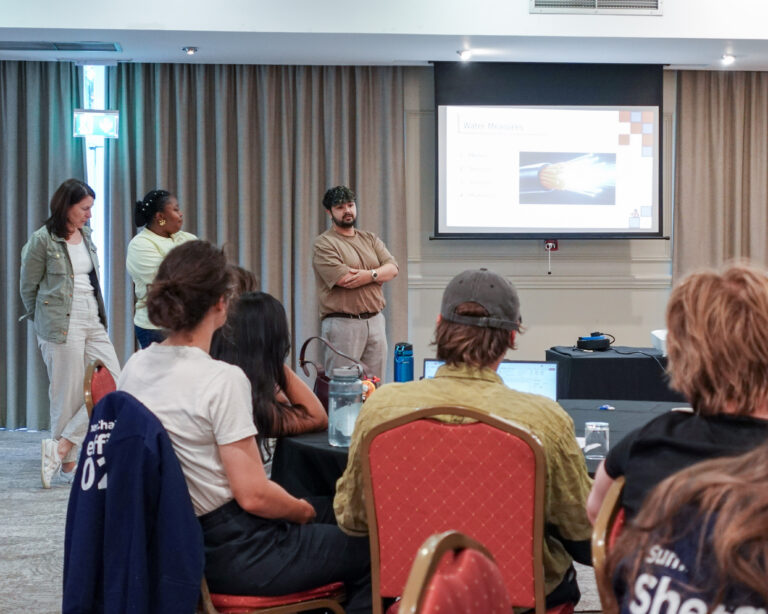
A man presenting to a room of people sat around round table
Students presenting about robotic inspection challenges
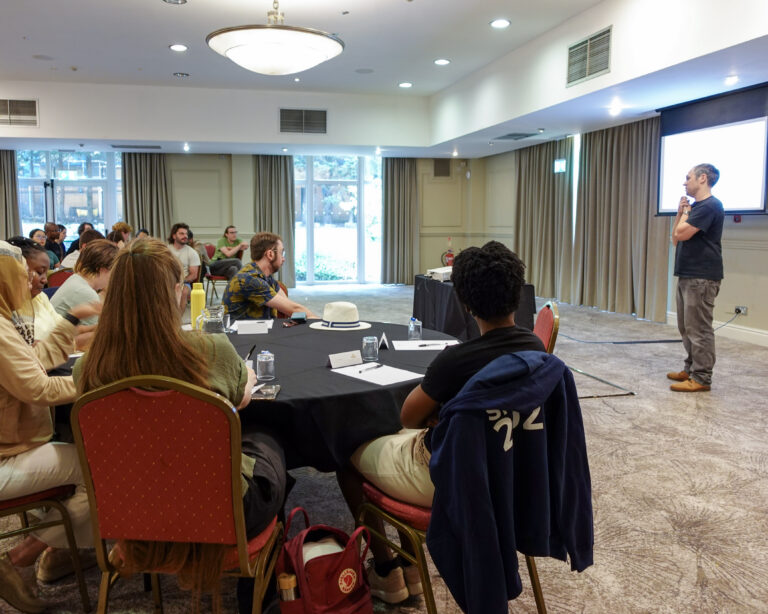
A man presents to a room of people sat at round tables
James Shucksmith (WIRe Co-Director) leading the afternoon presentations

The following day, we returned to ICAIR to see innovative robotics research projects at various stages of development. We got up close and personal with some of the latest robots being designed to monitor underground pipe networks.


Thank you to Rob Worley (Pipebots Project) and Aris Karnezis (PIPEON Project) for sharing your designs and discussing the needs of the water industry with our students!


We also heard from CDT WIRe alumnus, Edward John, who talked us through his current research developing a new way of measuring acoustics to detect asset failures and leakage.

In the afternoon, our students then split into teams and started putting together their own funding pitches for innovative autonomous systems that address key challenges across the water sector.
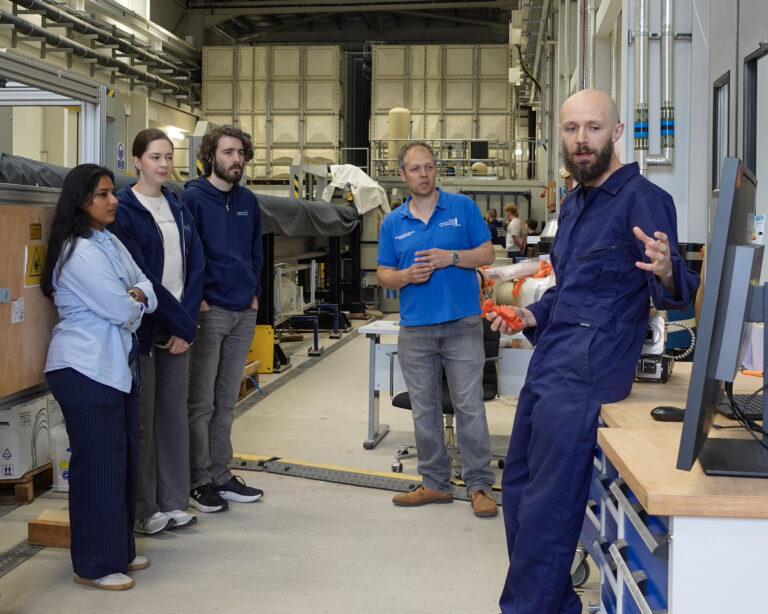
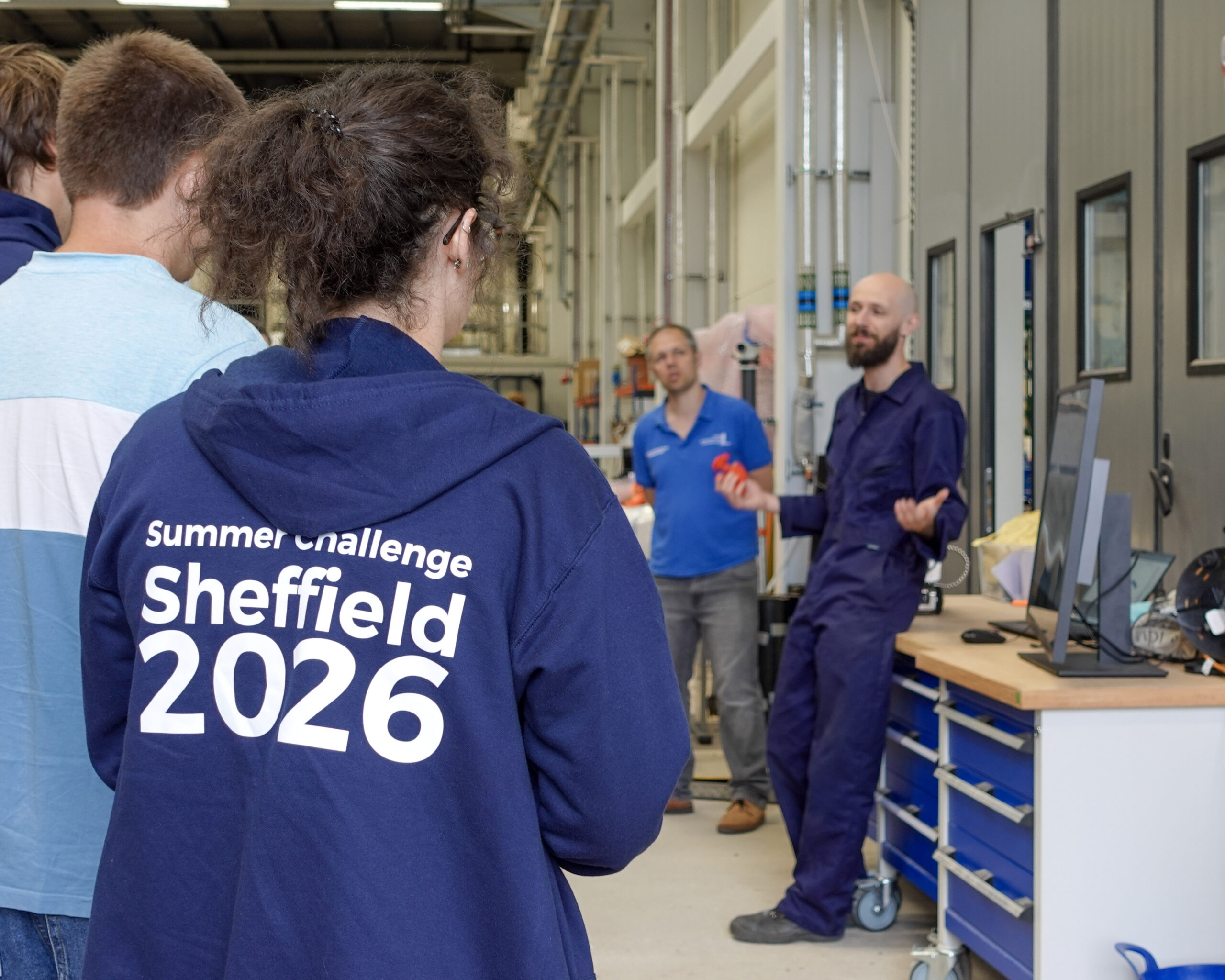
A man in a blue boiler suit talks to a group of people stood around a computer. They are in an industrial laboratory.
Rob Worley discussing the applications of Pipebots
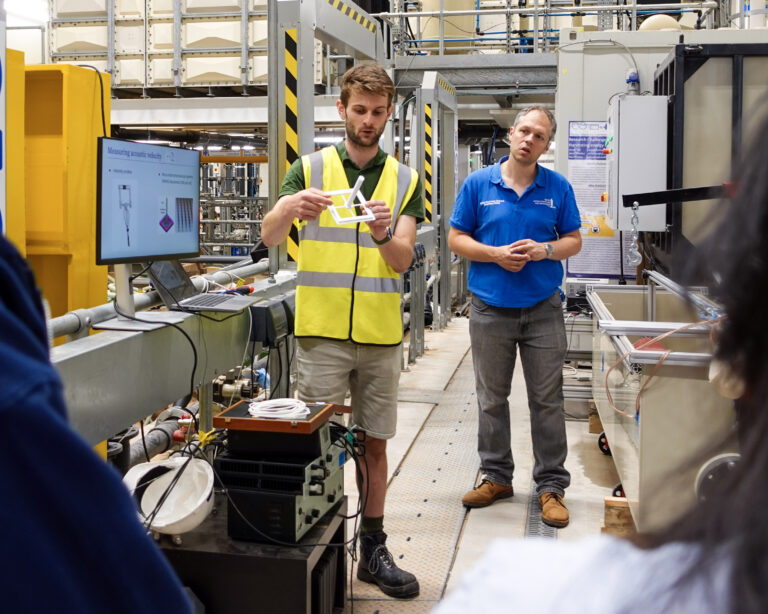
a man in a high visibility yellow vest presents to an unseen group of people. He has a PC with a PowerPoint presentation
Edward John discussing acoustics
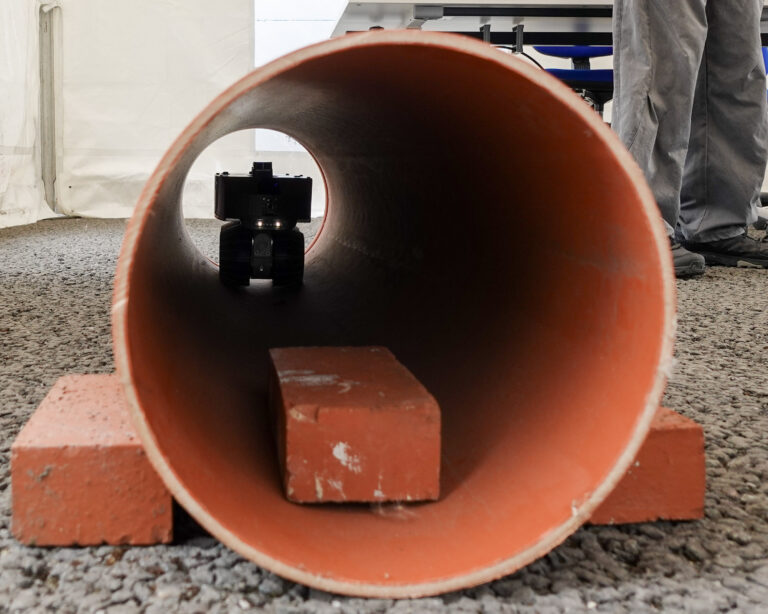
A small robot with wheels and lights on the front of it is in an orange plastic pipe
A robot in a pipe
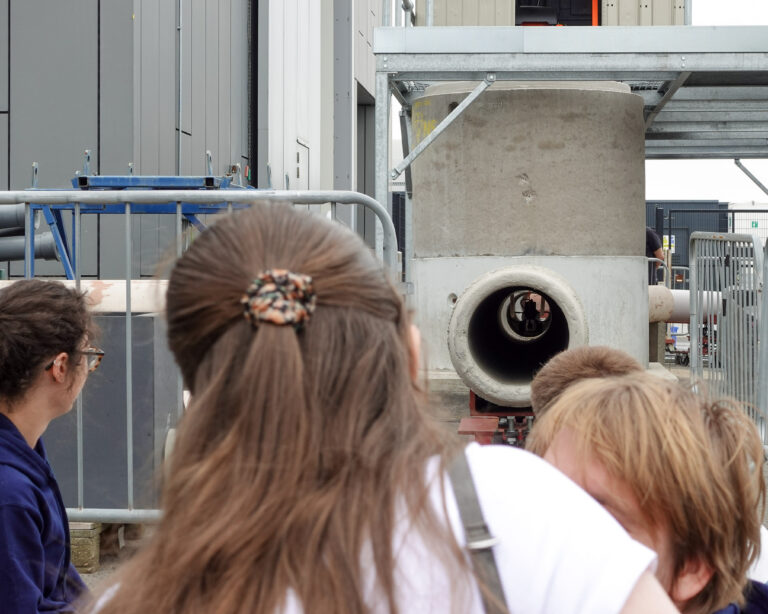
a group of people are looking down a concrete pipe to see a robot in the pipe. the picture is taken from behind the people
Students watching a robot move along a pipe

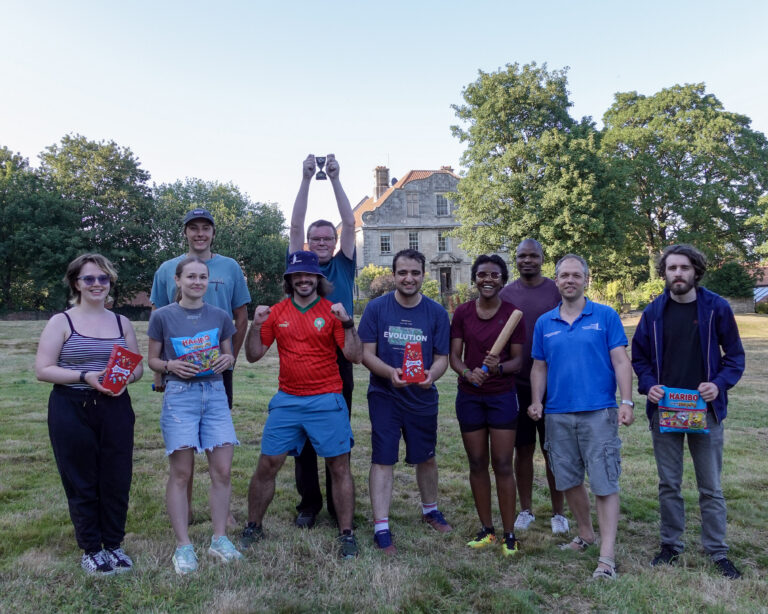
The day finished with the CDT WIRe Annual Rounders Game took place, giving the opportunity for people to expose their competitive side! Congratulations to the winning team for the landslide victory!

A group of people stood in a field smiling at the camera. One man lifts a trophy above his head
The winning rounders team

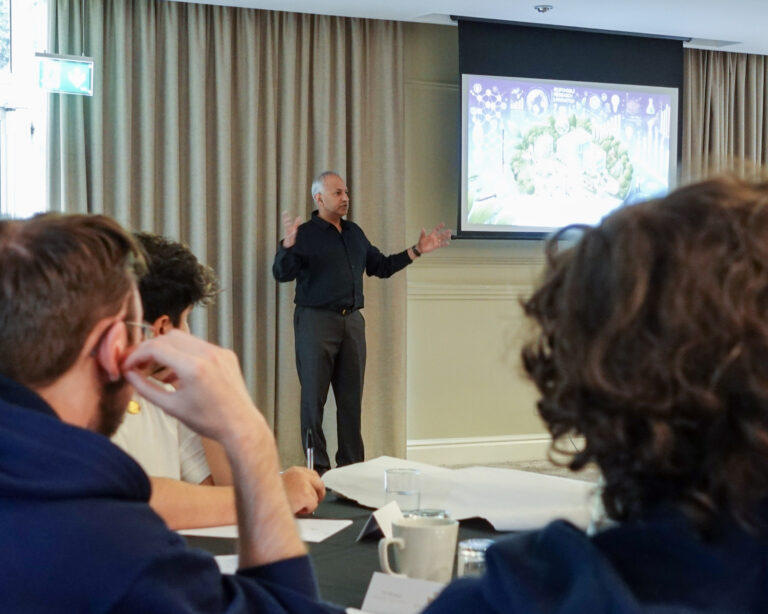
Kamal Birdi led a session on Responsible Research and Innovation on the morning of the third day, encouraging our students to consider the potential implications of their proposals, including any unintended consequences for society or the environment. They considered the various stakeholders and how their product or service may impact them, and how they would minimise any negative perceptions.

a man delivers a presentation
Kamal's workshop
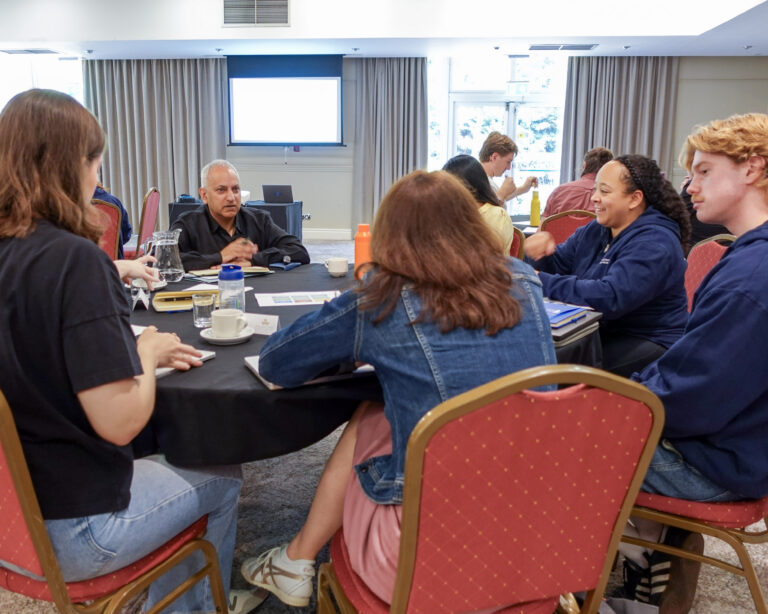
a group of people sat at a round table having a conversation
Students discussing RR&I with Kamal
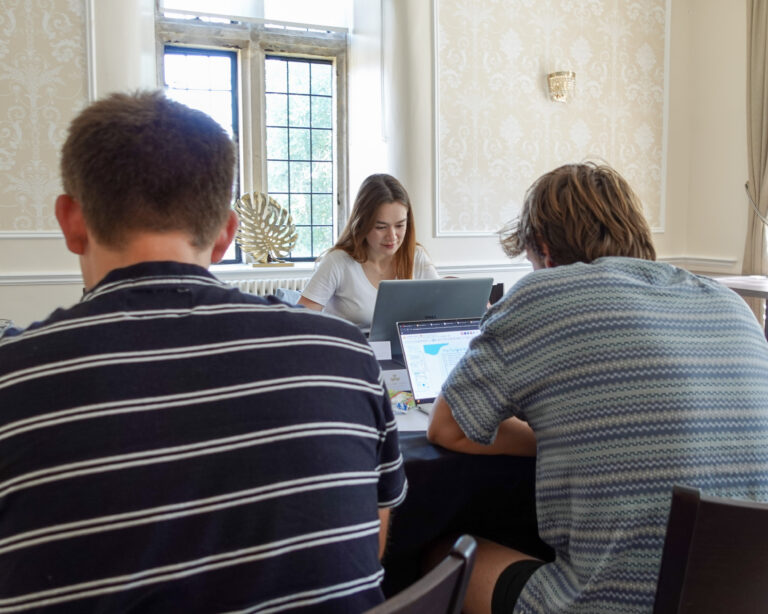
people work on laptops
Students working in their groups
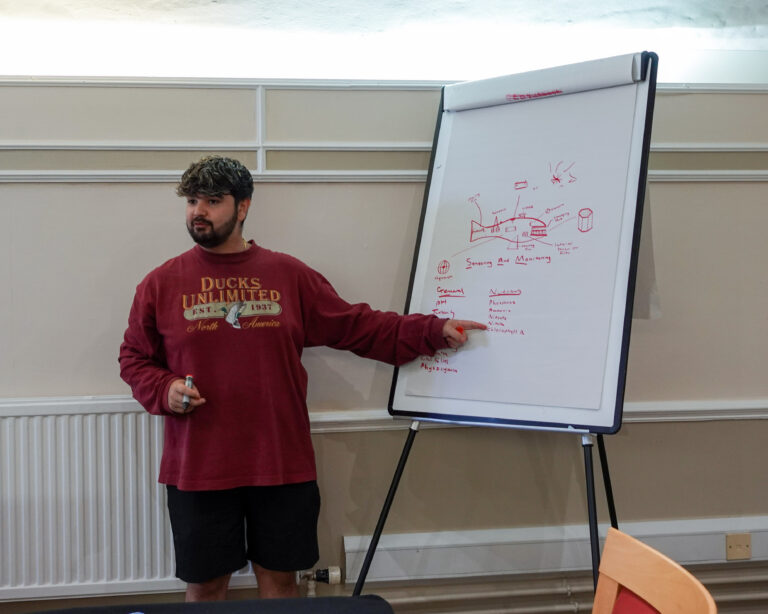
a man stands next to a flipchart with a diagram of a robot in the shape of a whale
Rubin's group makes notes for their idea

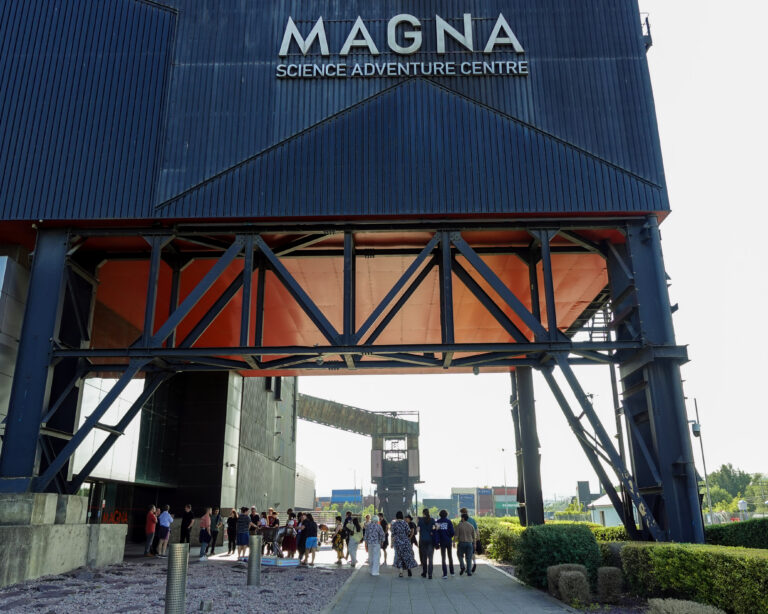
After a week of hard work, we were treated to an evening at Magna Science Adventure Centre for the final night. We explored the Earth, Air, Water and Fire pavilions, while learning about the local steel-making industry.

A large black building. A group of people walk below it. Text reads 'MAGNA SCIENCE ADVENTURE CENTRE'
Magna Science Adventure Centre

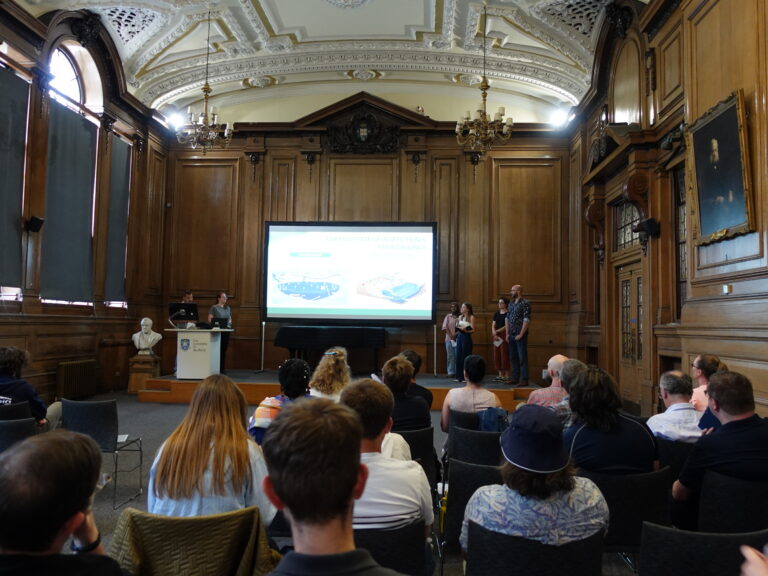
On the last day, our students presented their proposals, which were be judged by our panel of experts from across industry and academia, against the key criteria:


  • Transformation potential
  • Scientific innovation
  • Responsible Research and Innovation
  • Feasibility
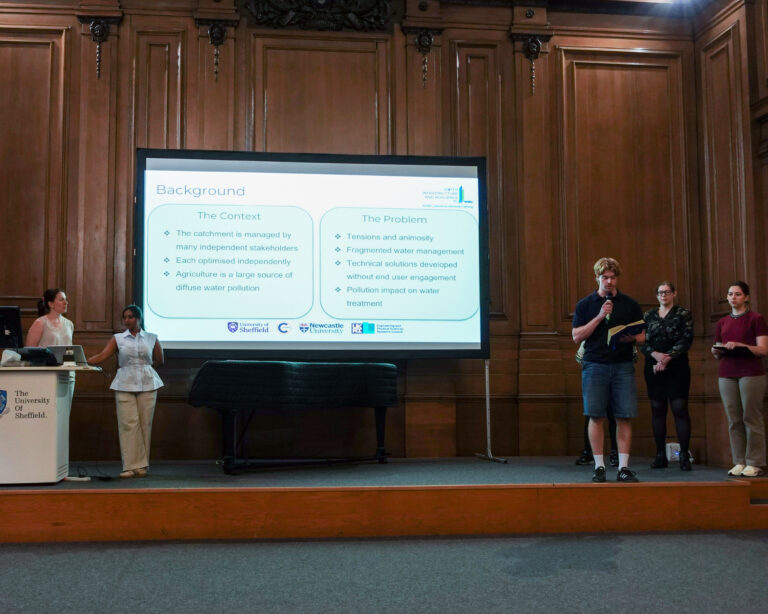
a group of people stand beside a projector screen, presenting to an unseen audience
D.A.A.N.C.E. From left to right: Joanna, Soumi, Dougie, Hannah, Leticia (Natasha is behind Dougie)

The first group presented a pitch for a Distributed Autonomous Agricultural Nature Based Catchment Enhancement (D.A.A.N.C.E.), featuring treatment wetlands, automated sluice gates, and smart swales.

Next up was B.A.L.E.E.N. (Bioinspired Autonomous Lentic Extraction of Eutrophying Nutrients), whale-inspired robots filtering nutrients and algae from reservoirs to prevent algal blooms 

a group of people stand beside a projector screen, presenting to an unseen audience
B.A.L.E.E.N. From left to right: Sam, Jacob, Rubin, Reuben, Tafara
a group of people stand beside a projector screen, presenting to an unseen audience
S.W.A.R.M. From left to right: Linda, Mohammad, Lydia, Boyang, Madeleine, Roman

The third group proposed S.W.A.R.M.: Sustainable Water Asset & Robotic Management, with hexapod robots monitoring the biodiversity of Sustainable Drainage Systems

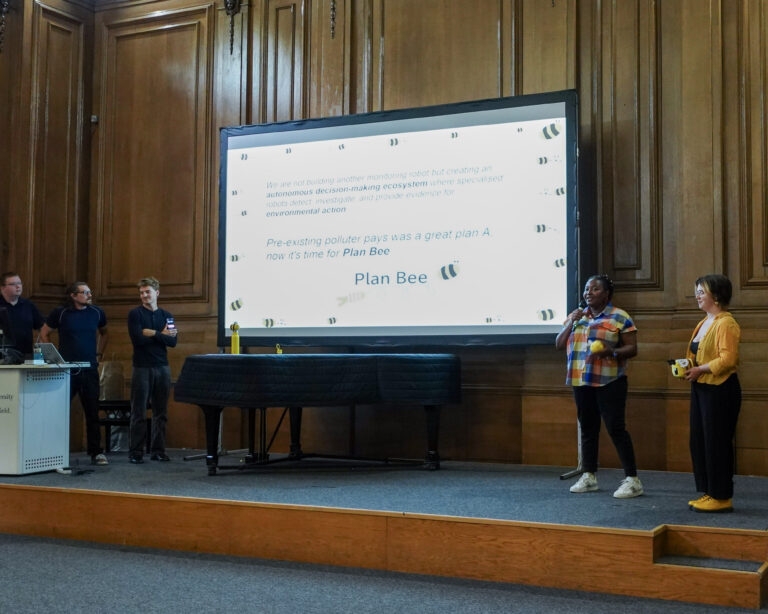
Presenting their pitch next was Plan Bee, with bee-inspired drones monitoring fertiliser and pesticide distributions using aerosols and runoff measurements, with the robots detecting, investigating and providing evidence for environmental action

a group of people stand beside a projector screen, presenting to an unseen audience
Plan Bee. From left to right: Gareth, Sebastian, Joshua, Mercy, Emily
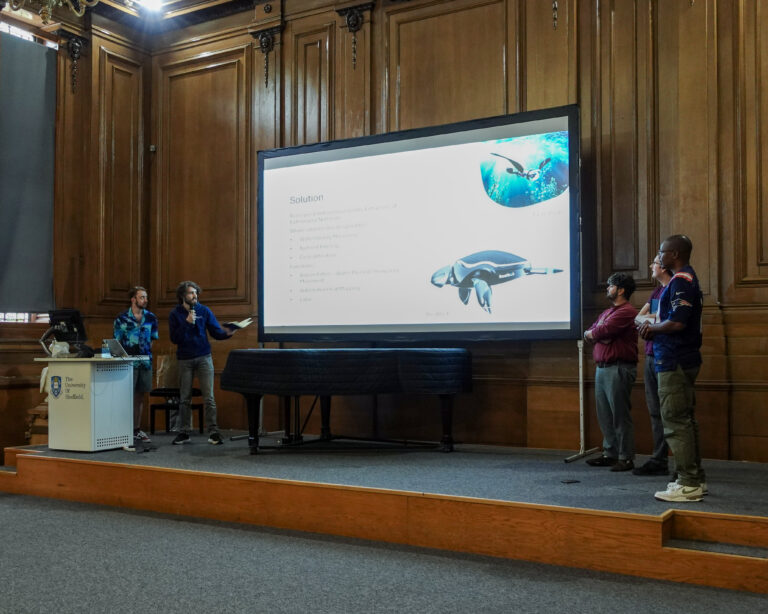
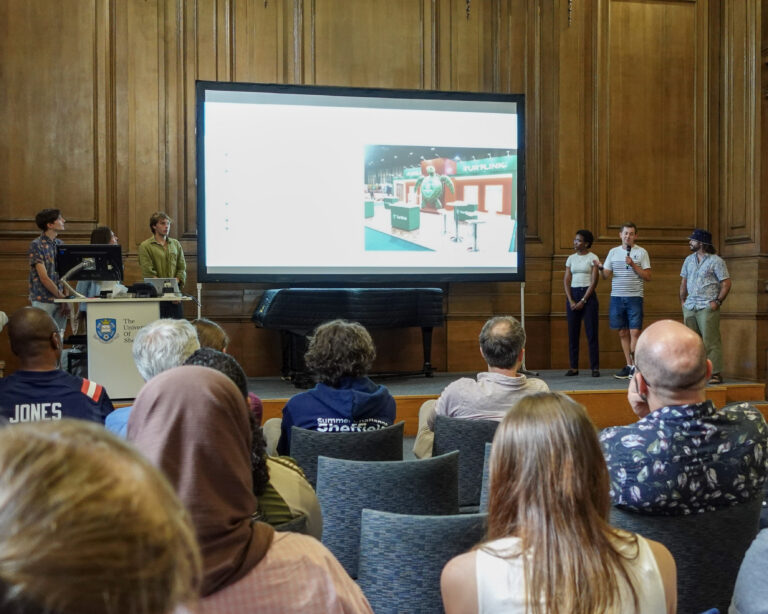
a group of people stand beside a projector screen, presenting to an audience
Turtlink. From left to right: Tomas, Başak, Jasper, Doreen, Nick, Vincent

The penultimate group proposed Turtlink, turtle-inspired robots delivering fibre optic cables through drinking water distribution network for proactive leak detection

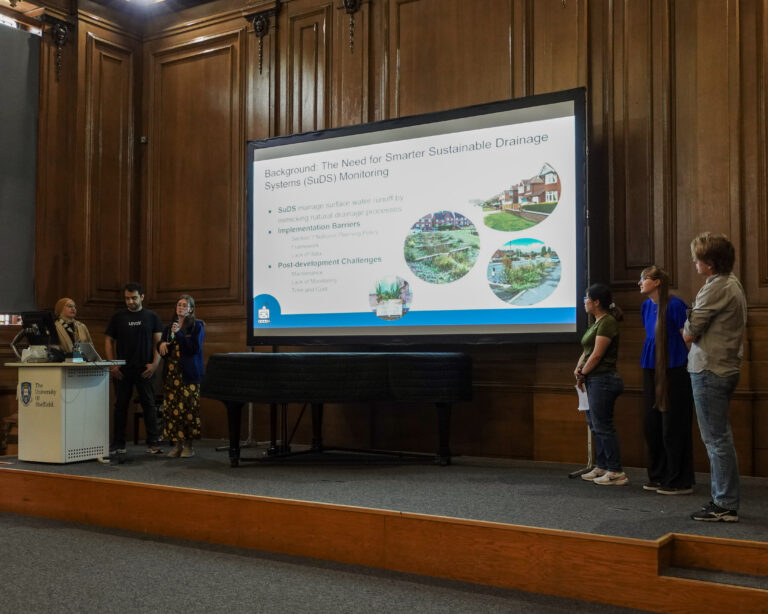
Last, but not least, we heard from the team behind Smart SuDS, a proactive, holistic and automated maintenance solution for Sustainable Drainage Systems

a group of people stand beside a projector screen, presenting to an audience
Smart SuDS. From left to right: Vlad, Freya, Lubabah, Gabriella, Rachael, Cerith

All of our student teams had fantastic ideas - maybe one day we will see them in action!


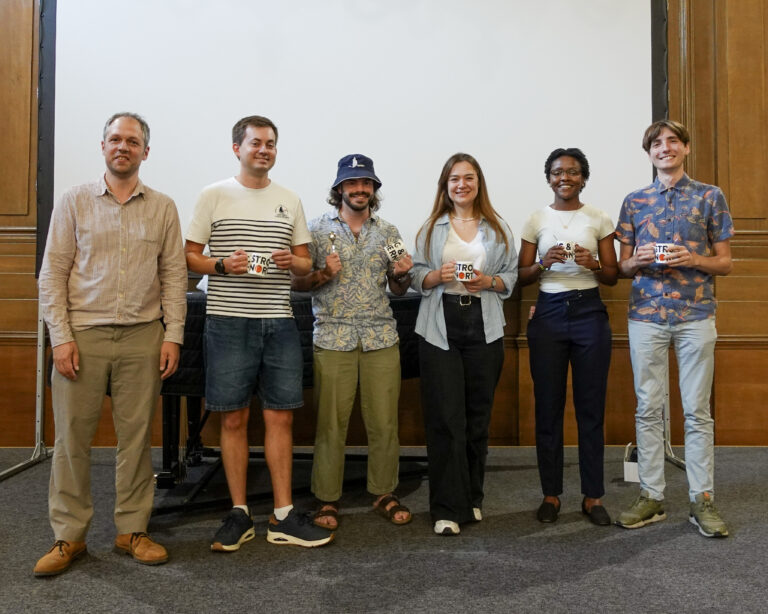
Congratulations to the winning team: Turtlink! The winning proposal was chosen by our panel of expert judges, who were very impressed with the pitch made by our students. The team considered all aspects of the proposal, including how to power the robots, marketing, and the finances for operations. The winning team received a Sheffield steel teaspoon and a mug to make the perfect brew, proving that not everything needs to be automated. 

six people stand in a row smiling at the camera, they are each holding a mug and teaspoon
The winning team: Turtlink

We hope everyone enjoyed this year's Challenge Week! A big thank you to Lindsay Hopcroft, James Shucksmith and the rest of the team at The University of Sheffield for organising a brilliant week! Time for some well-earned rest and a good cup of tea ☕