Developing Technical and Communication Skills Through Real-World Water Reuse Challenges
Summer Challenge Week 2025 - CDT WIRe Impact Case Study:
Impact Summary
The WIRe Summer Challenge 2025 provided PhD students with a unique opportunity to address real-world water reuse challenges in the UK. The event enhanced students’ technical expertise, strategic thinking, and science communication skills, while fostering collaboration with industry experts and promoting innovative solutions for sustainable water management.

Underpinning Research
The Challenge theme, Water Reuse in the UK, aligns with the WIRe CDT’s research focus on water resilience and sustainability. Students applied knowledge from their doctoral projects to:
- Develop technical solutions for water reuse scenarios.
- Design public engagement campaigns to improve acceptance of water reuse.
- Propose research programmes to advance innovation in the sector and water reuse.
Details of the Impact
Reach
- Involved students from Cohort VI from WIRe II and cohort IV and V from WIRe I.
- Engaged with experts from Anglian Water, Cranfield University, and The Environment Partnership.
Significance
- Students gained practical experience in technical problem-solving, stakeholder engagement, and public communication.
- Industry experts provided feedback, strengthening links between academia and practice.
- Proposed solutions contributed to addressing water scarcity and promoting sustainable reuse strategies in the UK.
Activities
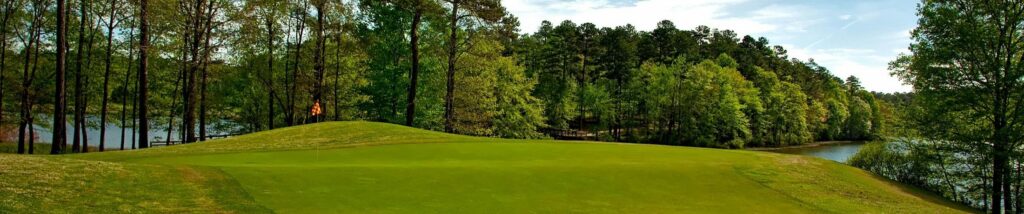
- Alternative water sources for golf courses.
- Direct reuse of wastewater for agriculture.
- Wastewater reuse for an AI centre.
- Reservoir recharge with treated wastewater.
- Water sources for green hydrogen plants.
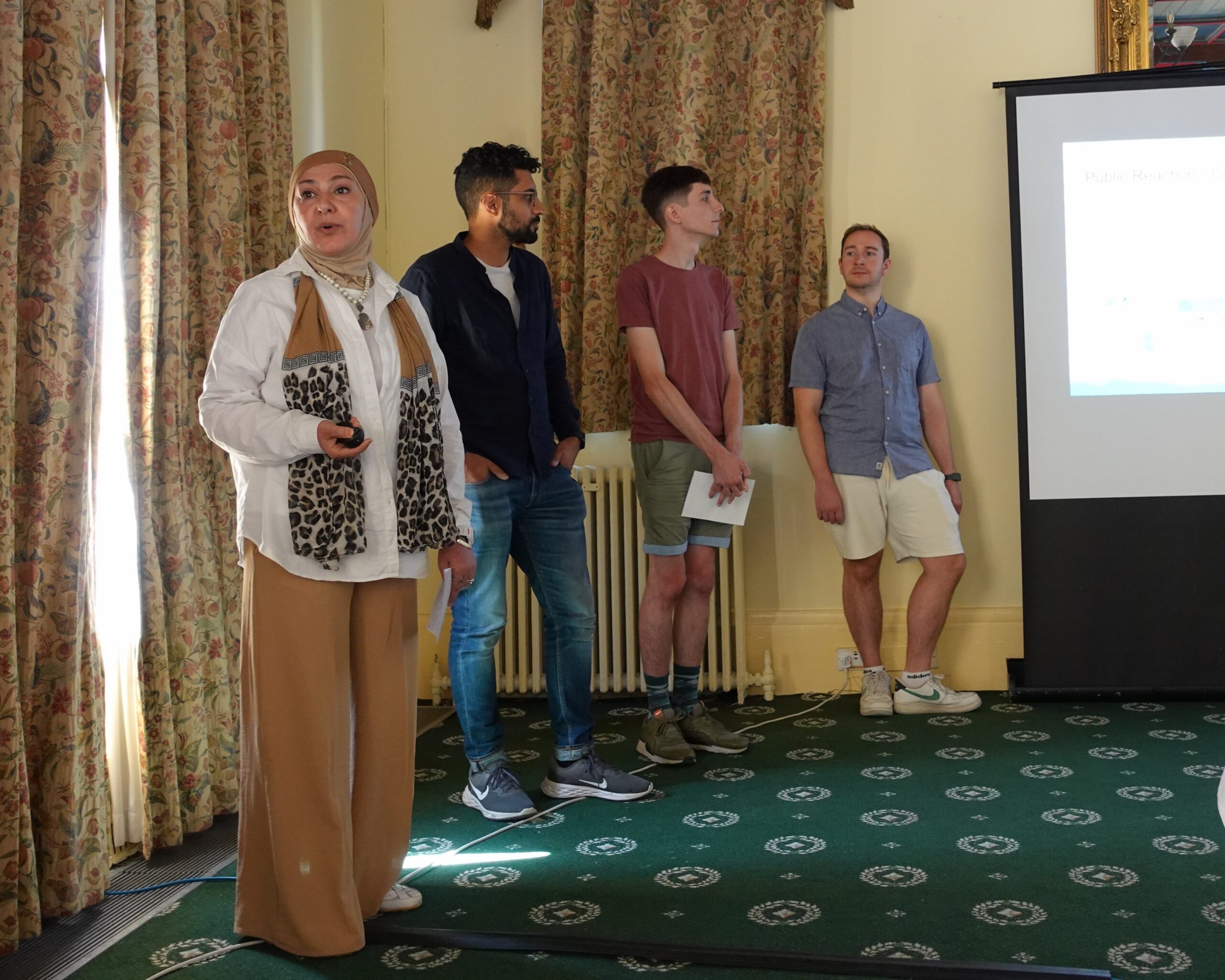
- Town Hall presentations to an audience of industry and academic experts, simulated stakeholder engagement.
- PhD students produced social media videos to communicate solutions creatively.
- Media training workshops developed skills in public speaking and handling press interviews.
Evidence of the impact
- Positive feedback from industry experts on feasibility and creativity of proposals.
- Media training instilled increased confidence and communication skills in the students, providing them with tools to handle high-pressure situations effectively.
- Winning proposal was on reducing the water footprint for golf course irrigation, which highlighted innovative ways of tackling water recycling in a highly applicable manner.
Impact Pathways
Knowledge Transfer
Students applied research to real-world scenarios, bridging academic research with the needs of industry.
Capacity Building
Students developed transferable skills in communication, teamwork, and strategic planning.
Societal Benefit
Students promoted awareness of water reuse and sustainability through outreach and media engagement.
Future Plans
- Scale up outreach activities: Extend engagement to more water utilities and stakeholder groups to raise awareness of water reuse.
- Develop digital resources: Create online materials showcasing student solutions and water reuse strategies.
- Integrate outreach training: Embed communication and stakeholder engagement training into the WIRe doctoral programme.
- Attend National STEM Events (e.g., New Scientist Live): Inspire school-age children and the public about water sustainability and re-use.